UK's Stricter Gambling Rules Set to Squeeze Smaller Casinos with 2026 Tax Hike on Horizon
UK's Stricter Gambling Rules Set to Squeeze Smaller Casinos with 2026 Tax Hike on Horizon

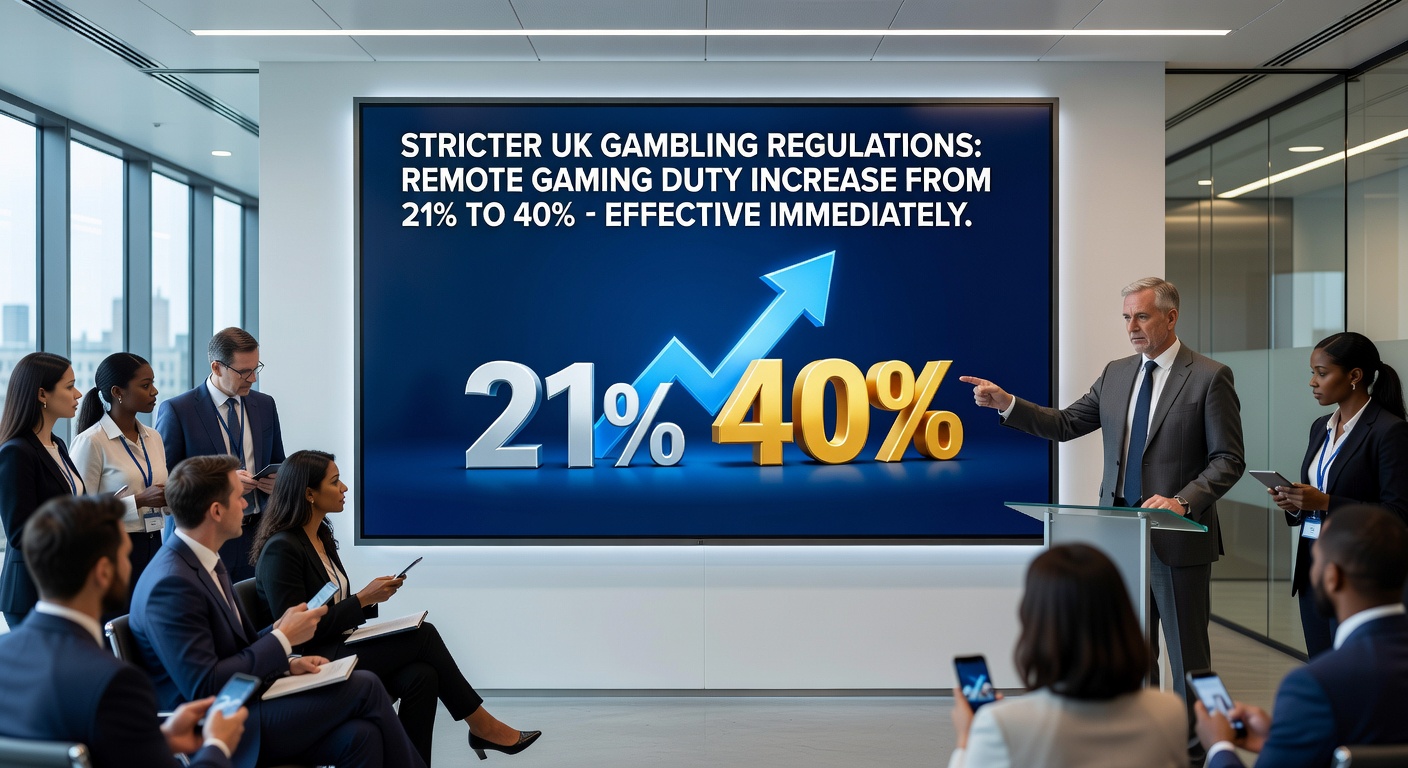
Stricter regulations in the UK gambling sector, particularly the planned jump in Remote Gaming Duty from 21% to 40% starting April 2026, are hitting smaller casino operators hardest; these changes pile on compliance costs for affordability checks, marketing curbs, and tougher anti-money laundering protocols, leaving those with limited resources scrambling while bigger players adapt more smoothly.
Observers note how the UK Gambling Commission drives these reforms under the banner of player protection, yet data from industry analyses reveals a stark divide: smaller firms face closure risks as market consolidation looms large.
The Remote Gaming Duty Spike Explained
Government announcements detail the Remote Gaming Duty (RGD) increase, a tax on online gambling profits derived from UK players; currently at 21%, this rate will double to 40% effective April 2026, according to the official changes to gambling duties outlined by authorities.
What's interesting is that this hike targets remote operators specifically, sparing land-based venues from the same burden, although broader regulatory pressures touch all corners of the sector; figures indicate remote gaming generated billions in duties last year alone, but the escalation aims to capture more revenue amid rising public spending needs.
And while larger operators with diversified revenue streams can absorb the blow through efficiencies or international expansion, smaller casinos reliant on UK online traffic find the math unforgiving; take one mid-tier operator whose margins already hover near single digits, now facing a tax bill that could swallow profits whole.
Affordability Checks Ramp Up the Pressure
New affordability checks form a cornerstone of these regulations, requiring operators to verify customer spending limits based on income data adn credit histories; the UK Gambling Commission mandates these tools to flag problem gambling early, yet implementation demands sophisticated software integrations and dedicated compliance teams.
Smaller operators, often running lean with under 50 staff, struggle here because building such systems costs hundreds of thousands upfront, plus ongoing monitoring; research from sector reports shows compliance expenses have surged 30-50% industry-wide since initial pilots, but giants like Entain or Flutter boast in-house tech divisions that handle this seamlessly.
But here's the thing: for a boutique online casino with a niche player base, diverting funds to these checks means skimping on game updates or customer service, creating a vicious cycle where they lose ground to flashier competitors.
Marketing Restrictions Clip Wings
Marketing rules tighten further under the reforms, banning bonuses for new players and slashing ad spends on high-risk demographics; while designed to curb aggressive promotion, these limits hit smaller operators who depend on targeted campaigns to attract users in a crowded market.
Data indicates that pre-ban, smaller firms allocated up to 20% of budgets to affiliate deals and social media pushes, strategies now curtailed; larger entities, with established brands and loyalty programs, retain customer stickiness without heavy spending, whereas upstarts must innovate or fade.
One study highlighted how a cluster of independent UK sites saw traffic drop 15% after similar interim rules, underscoring the challenge; and as April 2026 nears, operators gear up with legal reviews, but resource gaps widen the chasm.
Anti-Money Laundering Measures Add Layers
Enhanced anti-money laundering (AML) protocols demand real-time transaction scrutiny, customer due diligence, and reporting to authorities, all escalating operational overheads; the UK Gambling Commission enforces these via license conditions, with fines for lapses reaching millions as seen in recent enforcement actions.
Turns out smaller operators lack the AI-driven tools that big firms deploy for pattern detection, relying instead on manual processes prone to errors and delays; according to industry analysis from Pound Sterling Live, compliance teams at small casinos number just a handful, versus hundreds at majors.
This disparity means smaller players risk audits or suspensions more acutely, prompting some to seek mergers just to stay afloat; experts who've tracked the sector observe how AML alone could add 10-15% to annual costs for those without scale.
Why Smaller Operators Bear the Brunt
Limited capital reserves plague smaller casinos, preventing investments in regulatory tech or lobbying for exemptions; larger firms, commanding market shares over 20% each, leverage economies of scale to spread costs thinly, often outsourcing compliance to specialists at bulk rates.
Figures reveal the UK online casino landscape hosts over 200 licensed operators, with the top 10 controlling 70% of gross gaming revenue; consolidation trends accelerated post-2020 reviews, and this latest wave accelerates that shift, as mergers allow shared infrastructure.
People in the know point to cases where family-run digital casinos shuttered after prior checks, their owners citing "unbearable admin burdens" in exit statements; now, with the duty hike layered on, the writing's on the wall for many independents.
Market Consolidation on the Cards
Potential closures ripple through the sector, fostering buyouts by conglomerates eyeing undervalued assets; observers predict a 20-30% reduction in small operator numbers by 2027, based on modeling from regulatory impact assessments.
That's where the rubber meets the road: fewer players mean less competition, potentially stabilizing prices but reducing innovation in game offerings or bonuses; stakeholders note how past consolidations birthed powerhouses like Evolution Gaming's acquisitions, reshaping the board.
And although player protection goals remain front and center, the unintended squeeze on diversity sparks debates in trade forums, even as enforcers like the UK Gambling Commission press ahead undeterred.
Timeline: Gearing Up for March and April 2026
Preparations intensify as March 2026 approaches, with operators mandated to submit compliance roadmaps to the UK Gambling Commission by early next year; this precedes the April duty rollout, allowing a grace period for system upgrades amid ongoing consultations.
Now, smaller firms hustle for financing or partnerships, while audits ramp up to ensure readiness; data from commission updates shows over 80% of operators now trialing affordability tech, but adoption lags among independents due to integration hurdles.
Yet the clock ticks, and with tax receipts projected to swell by £3 billion annually post-hike, fiscal imperatives clash with sector survival stories.
Player Protection at the Core
The UK Gambling Commission positions these measures as vital shields against addiction and exploitation, drawing from data where 0.5% of adults face severe gambling harm; affordability checks, for instance, have curbed deposits exceeding 10% of income in trials, per pilot results.
Marketing bans target vulnerability, while AML fortifies financial integrity; although costs mount, proponents cite safer ecosystems as the payoff, with international benchmarks from Sweden and Ontario echoing similar paths.
It's noteworthy that enforcement remains robust, with 2024 fines totaling £100 million across breaches, signaling zero tolerance.
Conclusion
As the Remote Gaming Duty surges to 40% in April 2026, smaller UK casino operators confront a perfect storm of compliance hikes in affordability, marketing, and AML fronts; lacking the muscle of industry titans, many teeter toward closures or absorption, paving the way for deeper consolidation under the watchful eye of the UK Gambling Commission.
Data underscores the tilt, with resource gaps driving the divide, yet player safeguards anchor the push; those tracking the beat see March 2026 as a pivotal ramp-up month, where adaptations decide fates in this evolving landscape, ultimately reshaping access and competition for UK gamblers.