Touchscreen Evolution Reshapes Card Game Tactics for UK Mobile Users
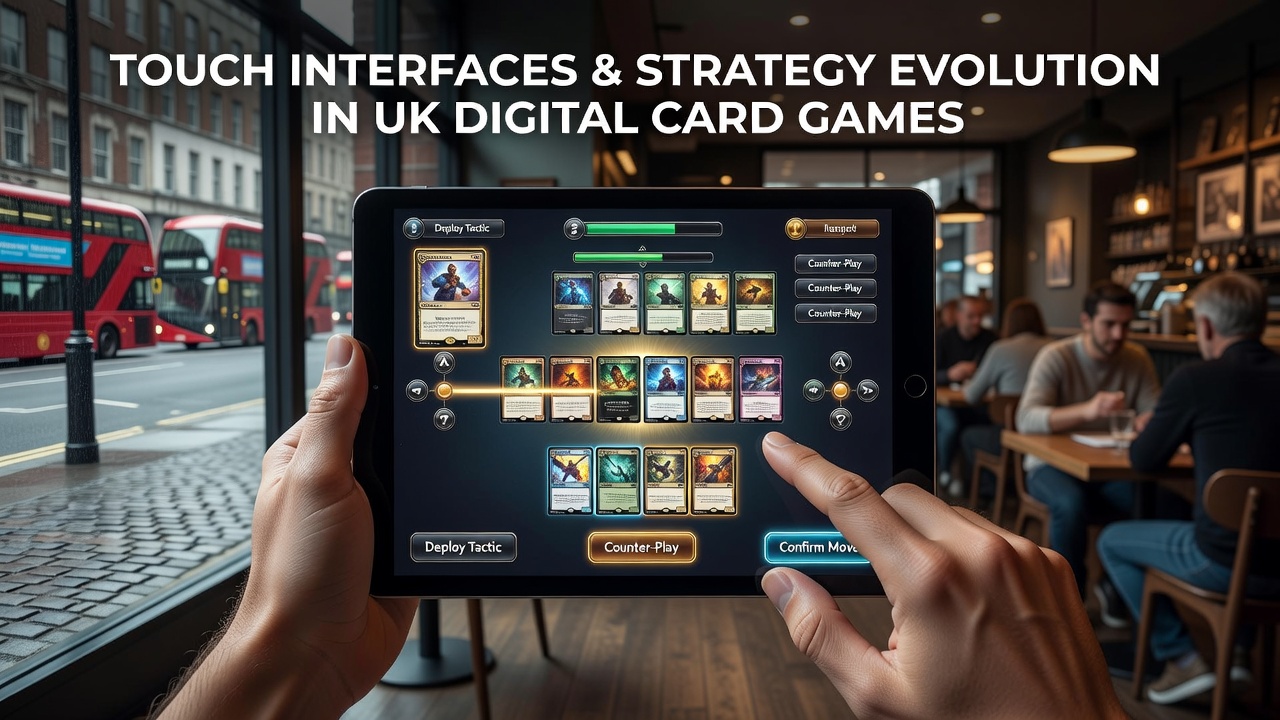
Digital card games on handheld devices have seen steady growth in Britain, with touch interfaces driving changes in how players apply core strategies during sessions on smartphones and tablets. Developers have refined gesture controls, pressure sensitivity, and multi-touch capabilities over recent years, allowing users to execute complex moves with greater speed and precision than traditional button-based systems permitted. These adjustments matter because card games such as blackjack and poker reward rapid decision-making and accurate tracking of probabilities, elements that touch designs now support through direct manipulation of on-screen elements.
Gesture Controls and Decision Speed
Players swipe to hit, tap to stand, or use two-finger drags to split pairs, actions that reduce the time between seeing a hand and confirming a choice. Research from the University of Melbourne indicates that streamlined gestures cut average decision latency by measurable margins in simulated play environments. British users on smaller phone screens benefit particularly, since larger tap targets and edge-to-edge swipe zones accommodate one-handed operation during commutes or short breaks. Data from industry reports show increased session lengths on devices with haptic confirmation, where subtle vibrations confirm each registered input without requiring visual checks.
Multi-Hand Management on Tablets
Tablets offer expanded real estate that supports simultaneous management of several hands, a feature designers have optimized through pinch-to-zoom card views and drag-and-drop reordering. Observers note that this layout lets experienced players maintain separate strategies across parallel tables, applying card-counting principles or position-based betting adjustments without switching screens. In July 2026 several major platforms rolled out updated tablet interfaces that added customizable hot zones, allowing users to assign specific swipe directions to common actions and thereby streamline multi-table routines further.
Pressure Sensitivity and Betting Precision
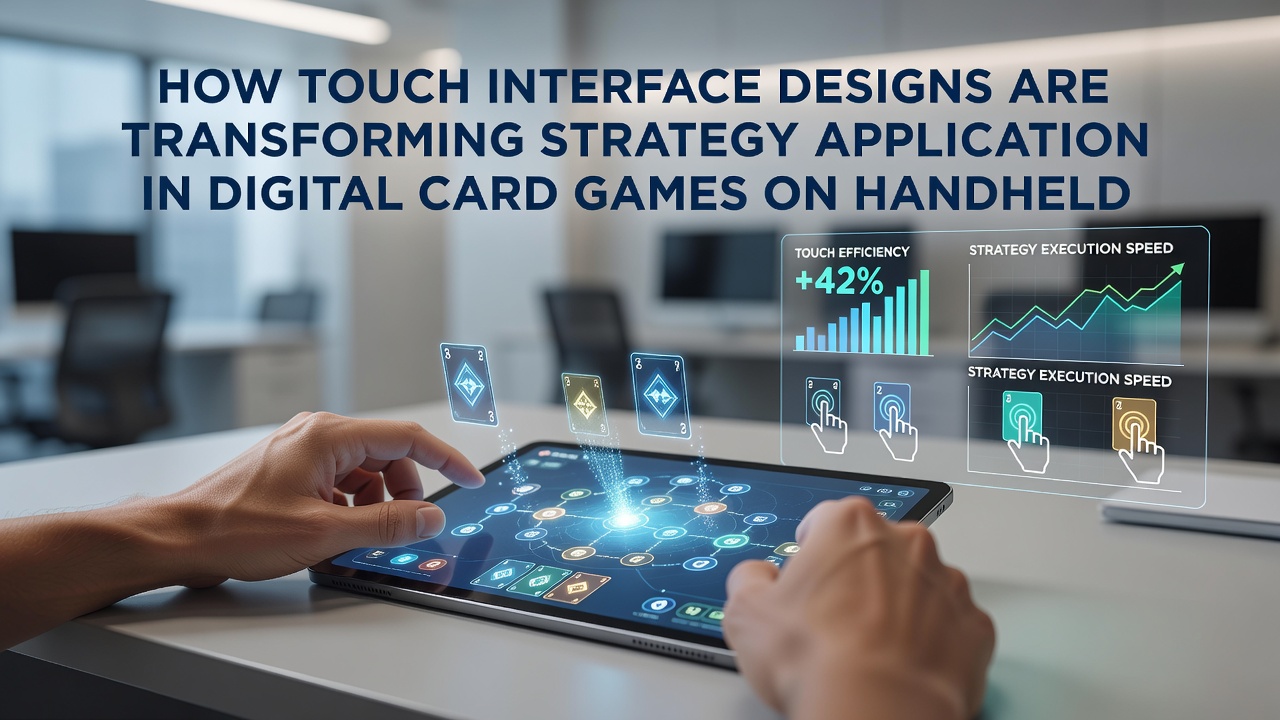
Some handheld models incorporate variable pressure detection that lets players adjust bet sizes by pressing harder or lighter on virtual chips. This mechanic aligns with established bankroll strategies, giving users finer control over wager increments without opening separate menus. Figures from the North American Responsible Gaming Association reveal that such controls correlate with steadier betting patterns among mobile participants, as the physical feedback loop reinforces deliberate choices rather than reflexive taps. Developers continue to calibrate sensitivity thresholds to prevent accidental large bets while preserving responsiveness for those who prefer aggressive lines.
Accessibility Across Device Sizes
Screen size differences between phones and tablets influence strategy application directly. Phone users often rely on condensed layouts that prioritize quick single-hand play, whereas tablet interfaces accommodate broader information displays such as running counts or opponent tendency trackers. Those who switch between devices report adapting their approach accordingly, shifting from aggressive short-session tactics on mobiles to longer analytical sessions on larger screens. Hardware improvements in 2025 and 2026, including brighter outdoor-readable displays and faster refresh rates, have reduced visual strain during extended play and supported more consistent strategy execution regardless of lighting conditions.
Integration with Regulatory Standards
British operators must align touch features with fair-play requirements set by regional oversight bodies, ensuring that gesture inputs register accurately and that no unintended advantages arise from interface design. Compliance testing now includes specific checks for swipe recognition consistency across various device models popular in the UK market. These standards encourage developers to publish gesture tutorials and practice modes so players can familiarize themselves with controls before using real funds, a step that supports responsible engagement without altering core game mathematics.
Future Interface Developments
Industry analysts expect continued refinement of foldable device support, where dynamic screen reorientation could introduce new layout options for card arrangement and betting panels. Early prototypes already demonstrate split-screen modes that separate hand information from betting controls, potentially allowing even more layered strategic planning during live sessions. Collaboration between hardware manufacturers and game studios continues to drive these changes, with testing phases involving UK-based user groups providing feedback on gesture comfort and accuracy.
Conclusion
Touch interface advancements have expanded the practical toolkit available to British players of digital card games on handheld devices. Gesture systems, pressure controls, and adaptive layouts translate established strategies into mobile contexts with increasing fidelity, while regulatory frameworks maintain consistent standards across implementations. As device capabilities progress through 2026 and beyond, the relationship between interface design and strategic application will likely deepen, giving users additional methods to apply skill within the boundaries of each game’s ruleset.