Software Networks Powering Fluid Shifts Between Slots and Tables on British Mobile Platforms
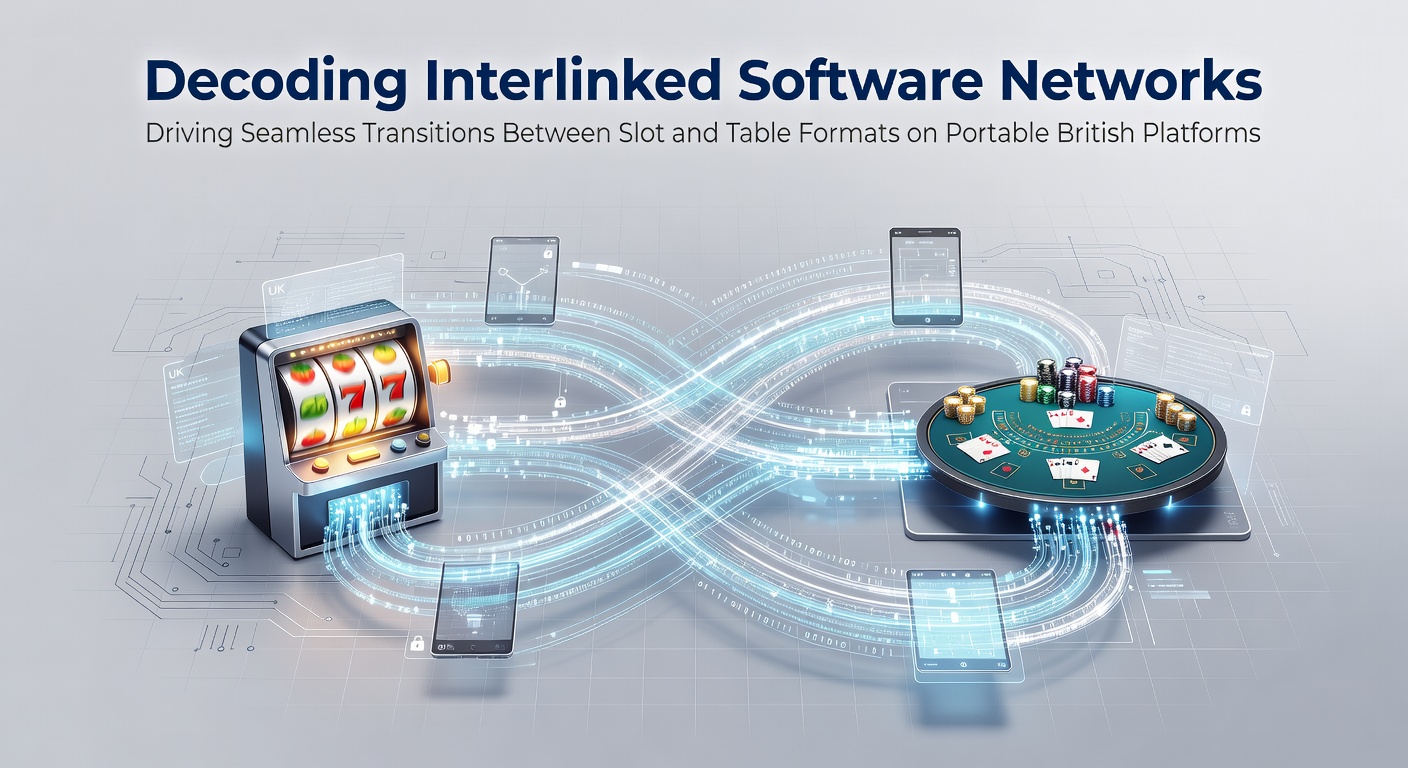
Interlinked software networks form the backbone of modern portable British gaming platforms, allowing users to move between slot formats and table game environments without interruption or reload delays. These systems rely on unified APIs and real-time data synchronization protocols that connect disparate game engines across mobile applications and browser-based interfaces. Data from industry reports indicates that such networks handle millions of concurrent sessions each month, maintaining session continuity through token-based authentication layers that preserve player state during format switches.
Core Components of Interlinked Gaming Architectures
Multiple providers contribute modular components to these networks, including RNG modules for slots and live-streaming feeds for table games, all orchestrated through centralized orchestration layers. Observers note that containerized microservices enable rapid scaling when player volumes spike during peak evening hours, while edge computing nodes positioned near UK data centers reduce latency below 50 milliseconds during transitions. Research from the University of Las Vegas gaming labs shows that standardized communication protocols like those developed under the Remote Gaming Association guidelines facilitate compatibility across more than 200 game titles from different studios.
Session management databases track every interaction in real time, recording bet history, balance updates, and bonus eligibility without requiring separate logins for each format category. This approach supports both iOS and Android environments through responsive frameworks that adjust interface elements automatically when a player selects a table game after completing a slot round. Figures reveal that average transition times have dropped to under three seconds on optimized networks since infrastructure upgrades completed in early 2025.
Mobile-Specific Transition Protocols
Portable devices introduce additional variables such as variable network conditions and battery constraints, so interlinked systems incorporate adaptive bitrate streaming for live table feeds alongside compressed asset loading for slot animations. When a user initiates a switch, the network first validates device capabilities through client-side scripts, then delivers the appropriate game client via progressive download techniques that prioritize interactive elements over background graphics. Those who have examined these protocols highlight the use of WebSocket connections that maintain persistent channels between the mobile app and backend servers, eliminating the need for full page refreshes common in older standalone platforms.
Security layers wrap each transition in encrypted payloads that comply with data protection standards set by the Malta Gaming Authority, ensuring that personal details and financial records remain isolated from game logic processes. Case studies from Canadian provincial regulators demonstrate similar architectures achieving 99.8 percent uptime during format changes, a benchmark now referenced by British operators implementing comparable solutions. And yet device fragmentation across newer foldable phones and older tablets continues to demand ongoing compatibility testing cycles that run quarterly.
Operational Data and Platform Performance Metrics
Analytics dashboards integrated into these networks compile performance indicators such as transition success rates and average session duration across formats, feeding automated optimization routines that adjust resource allocation dynamically. A report published by the European Gaming and Betting Association in March 2026 documented average increases of 18 percent in cross-format playtime on platforms using fully interlinked systems compared with legacy setups. These metrics help operators identify bottlenecks during high-traffic events like weekend promotions or major sporting tournaments that indirectly boost casino traffic.
Load balancing algorithms distribute incoming requests across regional servers while preserving game state integrity, a process that becomes critical when thousands of simultaneous switches occur during live dealer peak periods. Observers have documented how predictive prefetching of table game assets during slot spins further trims perceived loading times, creating the impression of instantaneous movement between formats.
Developments Observed Through May 2026
By May 2026 several British-facing platforms had rolled out enhanced orchestration layers supporting augmented reality overlays on table games accessible directly from slot interfaces, expanding the range of possible transitions without leaving the mobile application. Integration testing with emerging 5G standalone networks showed further reductions in handoff delays, particularly in rural coverage areas where signal strength fluctuates. Industry briefings indicate continued investment in AI-assisted monitoring tools that flag anomalies in transition patterns before they affect player experience.
Conclusion
Interlinked software networks continue to evolve as the foundation for seamless movement between slot and table formats on portable British platforms, driven by standardized protocols, real-time synchronization, and mobile-optimized delivery mechanisms. Performance data collected through May 2026 confirms measurable improvements in session continuity and cross-format engagement when these systems operate at scale. Ongoing refinements in security, latency management, and device compatibility sustain the technical conditions required for reliable operation across diverse user environments.