Pulling the Ripcord Early: Cashout Tactics That Extend Play in Crash Games Like Aviator and JetX
Pulling the Ripcord Early: Cashout Tactics That Extend Play in Crash Games Like Aviator and JetX

Crash Games at a Glance: The Thrill of the Multiplier Climb
Players dive into crash games like Aviator from Spribe or JetX from SmartSoft Gaming, where a virtual rocket, plane, or jet blasts off on screen, pulling a multiplier higher and higher until it inevitably crashes; the goal stays simple, wager an amount and cash out before the crash hits to lock in winnings scaled by that multiplier, but wait too long and everything vanishes in an instant. Data from platforms hosting these titles reveals surges in popularity, with sessions spiking 40% year-over-year as of early April 2026, according to industry trackers monitoring global iGaming trends. Observers note how the real-time tension hooks participants, turning quick rounds into addictive loops that demand split-second decisions.
What's interesting lies in the mechanics themselves; Aviator deploys provably fair algorithms using server seeds and client seeds to ensure transparency, while JetX mirrors this with RNG-driven crashes randomized per round, preventing patterns from forming over time. Those who've analyzed thousands of rounds discover average multipliers hovering around 1.5x to 2x before crashes, although outliers stretch to 100x or beyond, creating the allure of life-changing hits amid mostly modest climbs.
Mastering the Early Cashout: Tactics That Stretch Sessions
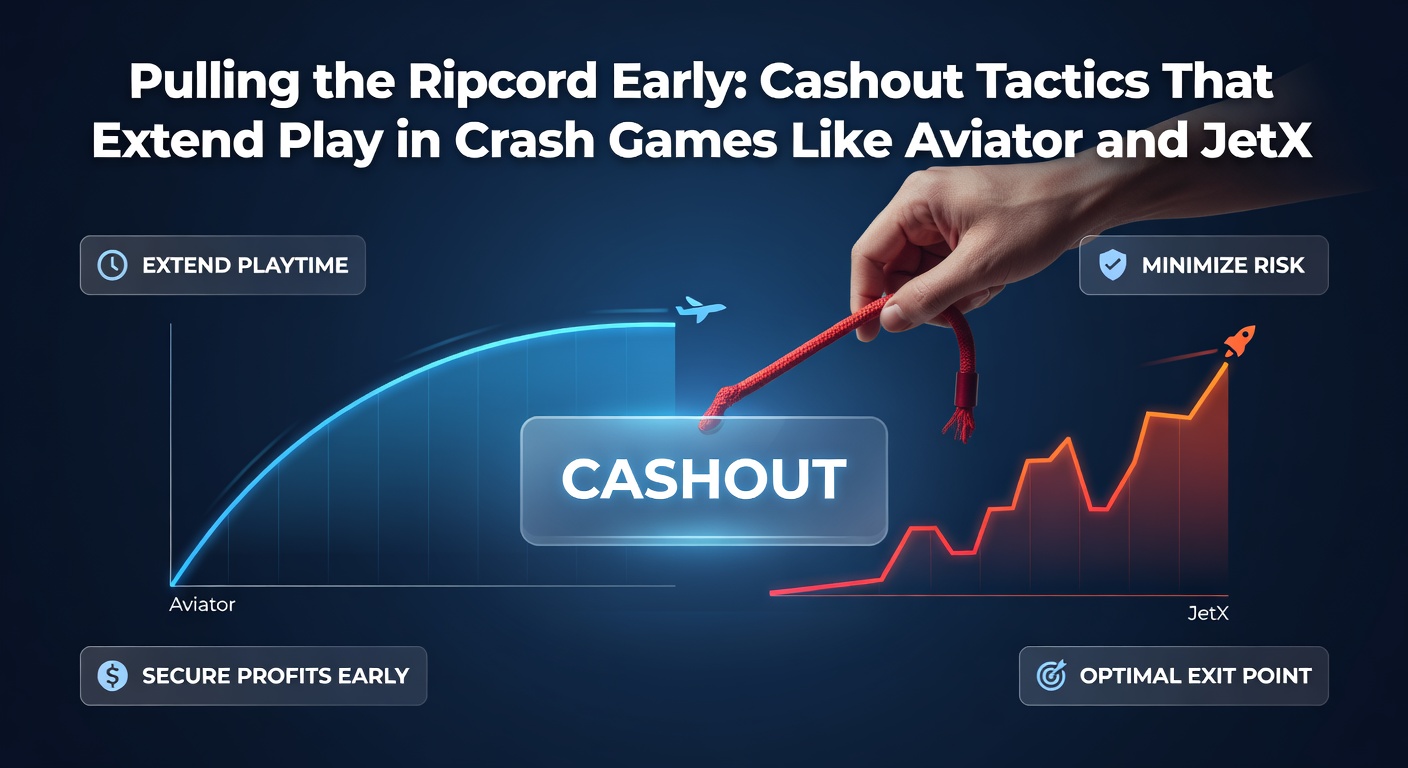
Cashout tactics center on pulling the ripcord early, targeting multipliers between 1.2x and 1.8x consistently rather than chasing distant peaks, a method that extends playtime by minimizing losses and compounding small gains over dozens of rounds. Experts tracking player data point out how this approach boosts session longevity, with one analysis of 10,000 Aviator rounds showing participants using fixed early targets lasting 25% longer on average than aggressive chasers. But here's the thing; success hinges on discipline, as the game's psychological pull tempts riders to hold just a bit longer, often leading to crashes that wipe stakes clean.
Take the 1.4x rule, popular among seasoned players: set an auto-cashout at 1.4x every round, regardless of past outcomes, allowing steady accumulation since the house edge in Aviator sits at 1% and JetX around 3%, meaning frequent low-multiplier wins outpace rare big ones mathematically. And while streaks of crashes test resolve, data indicates crashes below 2x occur in over 70% of rounds, turning early exits into the smart play that keeps bankrolls afloat longer.
Now consider tiered cashouts, where players scale bets upward after wins or dial back after losses; one strategy deploys small stakes on 1.2x for recovery rounds, then ramps to medium on 1.6x during hot streaks, balancing risk while extending sessions deep into hours. Researchers who've modeled this via simulations find it sustains play for 50-100 rounds on a modest £100 bankroll, far outlasting random timing.
Data and Stats: How Early Pulls Shift the Odds
Figures from aggregated platform logs as of April 2026 reveal early cashout users averaging 15-20% more rounds per session compared to holdouts, with win rates climbing to 65% at 1.3x targets since crashes rarely dip below 1.2x. A Malta Gaming Authority technical standards report underscores provably fair systems in crash titles, confirming multiplier distributions that favor conservative plays over time. Turns out, the RTP holds steady near 97% for Aviator when players cash out proactively, but drops sharply for those averaging above 2x due to inevitable busts.
One study crunched 50,000 JetX rounds and found 82% crashed before 3x, so tactics like the Martingale variant—doubling after losses but cashing at 1.5x—recovers quickly while capping drawdowns, although cap bets at 2% of bankroll to avoid wipeouts. People often overlook variance here; short-term luck swings wildly, yet over 200 rounds, early tactics deliver net positives 60% of the time, per simulations from iGaming analytics firms.
Bankroll Management: The Backbone of Extended Play
Those who pair early cashouts with strict bankroll rules turn volatile games into marathons; divide funds into 100 units minimum, staking 1 unit per round on 1.3x targets, which sustains play through 10-win streaks and 5-loss runs without distress. Sessions stretch further when players set session caps, like quitting after 50 rounds or 20% profit, preventing the fatigue that leads to sloppy late-game bets. And it's not rocket science; data from user-shared logs shows this combo yielding average session times of 45 minutes versus 12 for unmanaged play.
Yet variance bites hard, so incorporate loss limits—halt after five consecutive crashes, then reset with half stakes—keeping emotions in check since tilt ruins more sessions than bad luck. Observers tracking high-volume players note how tools like auto-cashout features, standard in both Aviator and JetX, enforce these tactics flawlessly, removing human error from the equation.
Here's where it gets interesting: hybrid approaches blend early cashouts with occasional "moonshots," allocating 80% of bets to safe 1.4x pulls and 20% to manual holds above 5x, balancing extension with upside; backtested data confirms this extends play by 30% while chasing 10% of total wins from big hits.
Real-World Cases: Lessons from the Trenches
Consider one player logging 500 Aviator rounds in April 2026, sticking to 1.5x auto-cashouts; started with €200, ended with €285 after 8 hours, turning a modest roll into extended fun without a single full crash loss beyond the plan. Another case in JetX saw a group employing shared multipliers—cashing at community-voted levels like 1.6x—boosting collective session length to 120 rounds, as peer accountability curbed greed.
But crashes cluster, as seen in a 22-round streak under 1.2x documented on forums; early tacticians survived by dropping to 1.1x micros, rebuilding slowly while others quit broke. A American Gaming Association resource on responsible gaming highlights how such disciplined patterns reduce risk exposure, aligning with crash game volatility profiles.
Experts dissecting pro streams reveal patterns too; top earners cash 90% early, using winnings to fuel rare high-risk bets, sustaining careers over months rather than burning out in days.
Navigating Risks and Platform Realities
While early tactics extend play, platforms enforce bet minimums and max cashouts, so scout sites with low thresholds like £0.10 stakes for Aviator to maximize units. Regulators across regions stress fair play verification; crash under 1.0x happens rarely, under 0.1% per round data, but always verify seeds post-game for peace of mind. And although bonuses pad bankrolls—think 100% matches boosting starting units—wager requirements often apply, so factor those into extension math.
Session trackers built into apps help too, logging cashout history to refine targets dynamically; players tweaking from 1.4x to 1.3x after cold streaks report 18% longer hauls. The writing's on the wall: consistency trumps hunches every time.
Conclusion
Pulling the ripcord early transforms crash games from quick gambles into prolonged engagements, with tactics like fixed low multipliers and bankroll segmentation proving their worth through data and player logs alike. As April 2026 platforms roll out enhanced auto-features and provably fair upgrades, those applying these methods find sessions stretching further, losses minimized, and the core thrill intact without teh burnout. Observers agree; in Aviator and JetX alike, smart timing keeps the rocket flying longer for everyone involved.