Progressive Networks Uniting Mobile Slots for Participants Across the United Kingdom
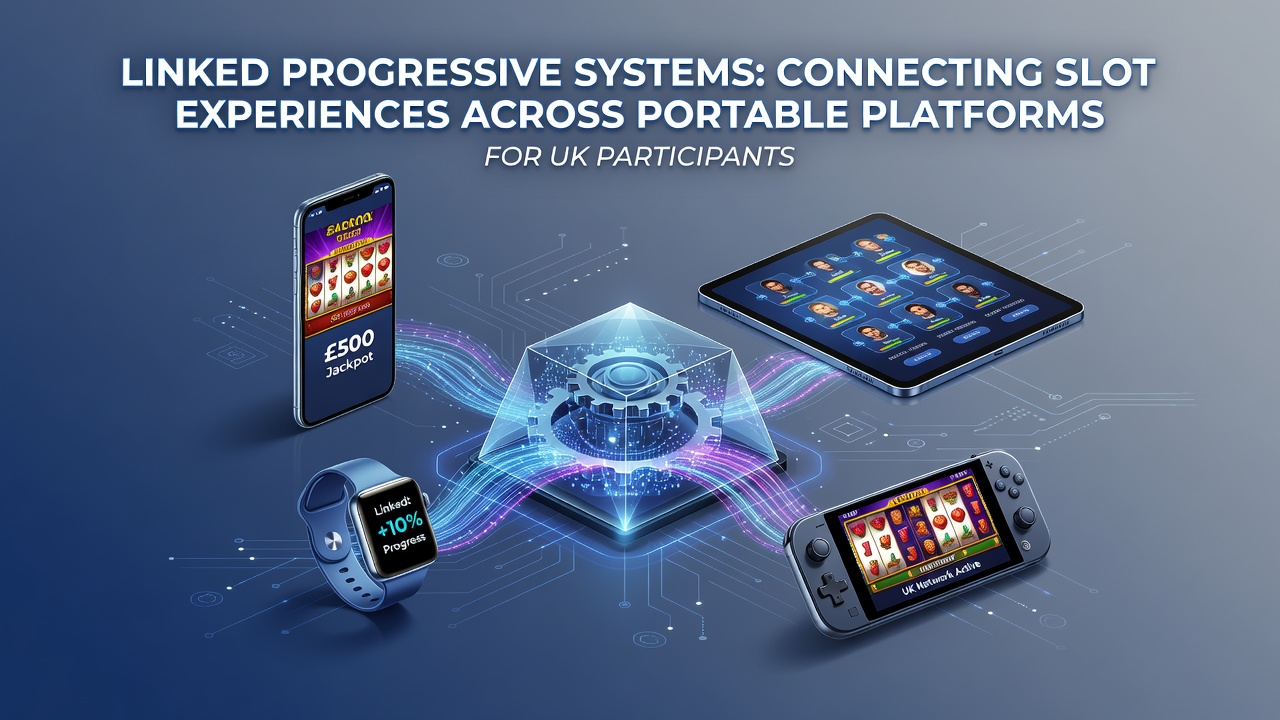
Linked progressive systems operate by pooling contributions from multiple slot machines into shared jackpot pools that grow until triggered by specific outcomes, and these networks now extend across portable devices used by participants in the United Kingdom. Mobile applications and browser-based platforms feed into teh same progressive meters through centralized servers that update in real time, allowing a player on a smartphone to compete for the same prize pool as someone using a tablet or desktop interface. Data from industry reports indicates that such connectivity relies on secure APIs and synchronized databases maintained by software providers, ensuring consistency regardless of the access point.
Mechanics Behind Cross-Platform Jackpot Pools
Each spin on a participating slot contributes a percentage of the wager to the progressive total, and this mechanism functions identically whether the device runs on iOS, Android, or web browsers. Software developers configure the games so that portable platforms transmit bet information instantly to the central system, which recalculates the jackpot amount and broadcasts updates back to all connected terminals. Observers note that this architecture prevents discrepancies that could arise from network latency, because the servers prioritize synchronization protocols that maintain a single source of truth for the current prize level.
Participants in the United Kingdom access these systems through licensed operators that integrate progressive modules into their mobile offerings, and the connections remain active even when users switch between devices during a session. The ball's in the court of the network operators to handle authentication tokens that preserve player identity and progress across platforms, allowing seamless continuation without resetting the jackpot eligibility. Research from the University of Nevada Reno's gaming technology studies shows that such token-based handoffs reduce session interruptions by maintaining continuous meter visibility.
Technical Infrastructure Supporting Portable Connectivity
Cloud-based servers form the backbone of these linked systems, processing thousands of simultaneous contributions while distributing real-time data feeds to mobile clients. Encryption standards protect transaction details during transmission, and developers implement load-balancing techniques to accommodate peak usage periods without dropping connections. Those who've studied these setups know that failover mechanisms automatically redirect traffic if one server node experiences issues, preserving the integrity of the progressive pools.
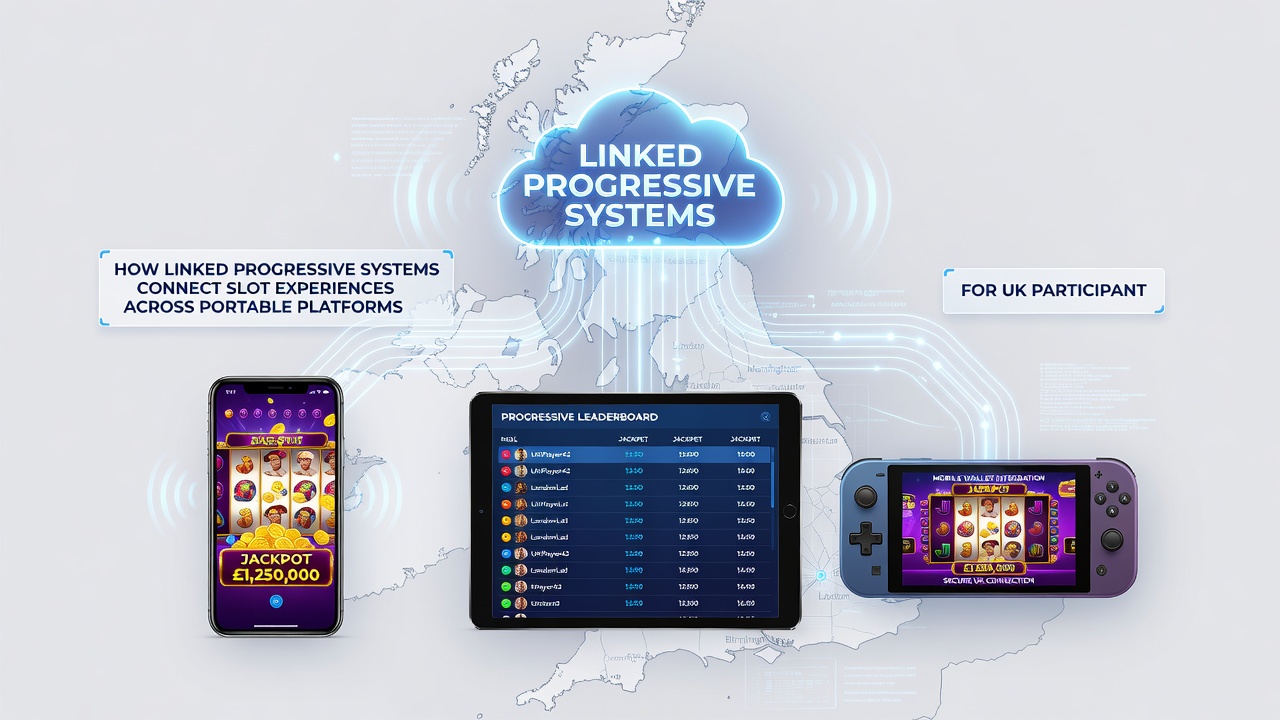
Portable platforms receive push notifications when jackpots reach notable thresholds, drawing attention without requiring constant screen monitoring. The systems track device-specific interfaces separately while sharing the underlying prize data, so a user on a smaller screen sees condensed information that still reflects the full pool size. Industry organizations such as the American Gaming Association have documented similar architectures in other markets, highlighting how standardized protocols enable cross-device participation without compromising security layers.
Player Experience Consistency Across Devices
UK participants encounter identical jackpot rules whether they engage through dedicated apps or mobile-optimized websites, and the progressive triggers remain uniform across these entry points. Bonus features tied to the linked pools activate based on the same probability tables, regardless of hardware differences like screen resolution or processing speed. Data indicates that operators test compatibility extensively before deployment to eliminate variations that might affect outcome fairness.
Session histories carry over when users transition between portable devices because account-linked profiles store the relevant contribution records on the central servers. This setup allows someone who starts a session on a commute via smartphone to resume later on a tablet at home while still contributing to and potentially claiming from the same progressive pool. What's interesting is how these connections create a continuous experience that mirrors land-based casino floors but adapts to individual mobility patterns common among British players.
Regulatory Alignment and Platform Standards
Operators must ensure that linked progressive mechanics comply with prevailing technical standards that govern remote gambling systems, and portable implementations undergo the same certification processes as fixed-location equipment. External audits verify that random number generators and contribution percentages function correctly across all supported devices, while June 2026 brings scheduled reviews of mobile security frameworks that may influence how networks handle data synchronization. Sources from the Malta Gaming Authority provide comparative insights into how European jurisdictions approach these technical validations, offering benchmarks that extend beyond single regions.
Portable platforms incorporate age verification and spending limit tools directly into the progressive interfaces, maintaining the same safeguards whether users access games through apps or browsers. These features integrate with the jackpot systems so that any enforced pauses or limits apply uniformly across devices tied to the same account.
Future Developments in Networked Mobile Progressives
Advances in 5G connectivity continue to reduce latency in jackpot updates, allowing even faster synchronization between portable devices and central servers. Developers explore additional layers such as augmented reality overlays that display shared pool information in more immersive formats while preserving the core linking mechanics. Evidence from ongoing trials suggests these enhancements maintain the fundamental contribution and payout structures that define progressive systems.
Conclusion
Linked progressive systems demonstrate how centralized networks can deliver consistent slot experiences to UK participants regardless of the portable platform in use. The combination of real-time data synchronization, secure authentication, and uniform rule application creates interconnected play environments that span multiple device types. Industry data and technical documentation confirm that these connections rely on established infrastructure standards, supporting ongoing participation without platform-specific barriers.