Pays Both Ways Unleashed: Slot Mechanics Doubling Chances Without Extra Lines
Pays Both Ways Unleashed: Slot Mechanics Doubling Chances Without Extra Lines
The Core Appeal of Pays Both Ways Mechanics
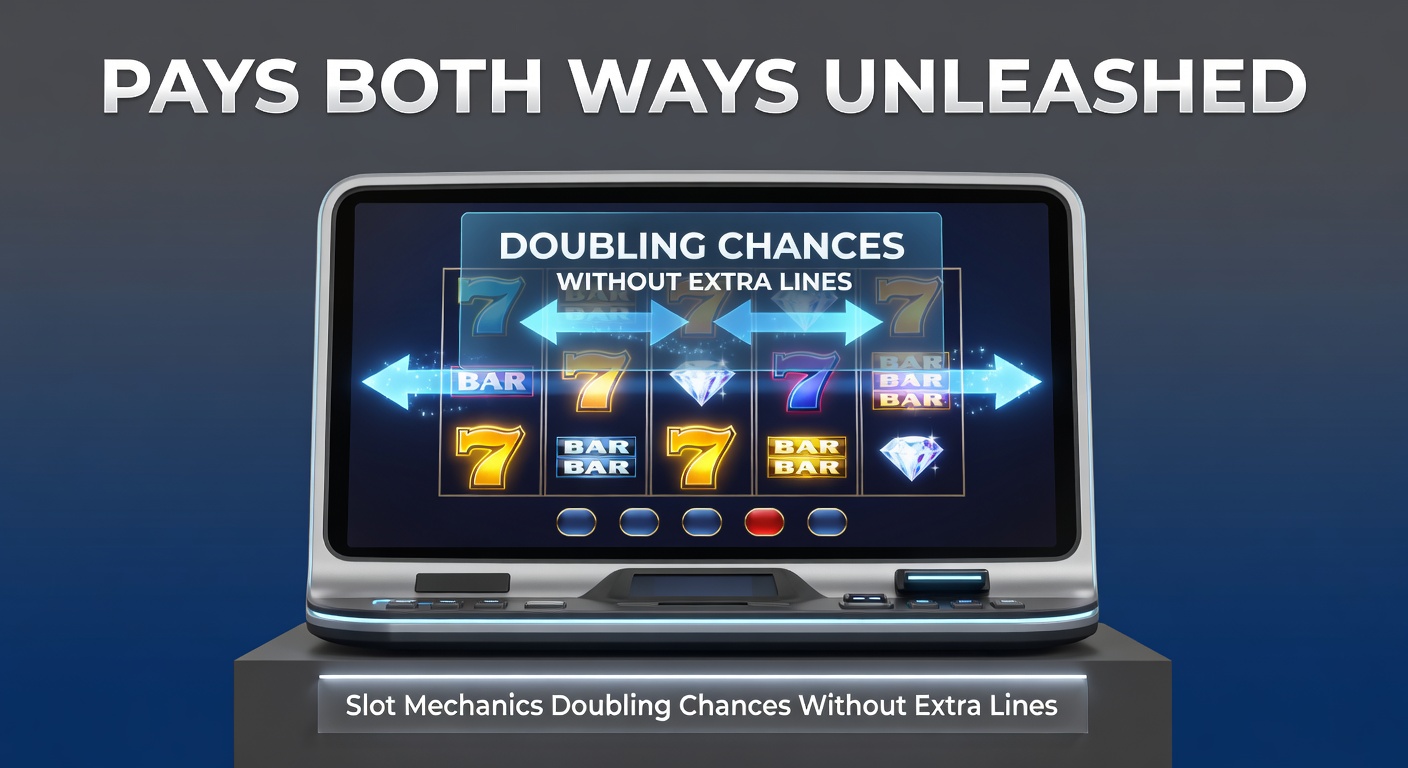
Slot enthusiasts often encounter pays both ways features in modern games, where winning combinations register from either direction across the reels, effectively doubling potential hits without adding extra paylines or complicating the grid. Developers pioneered this twist years ago to boost excitement; now, in April 2026, data from industry trackers shows these mechanics appearing in over 30% of new releases from major studios like NetEnt and Pragmatic Play. Players benefit from heightened volatility in sessions that stretch longer, since each spin carries twice the evaluation paths, yet the base structure remains familiar—five reels, standard lines, straightforward rules.
What's interesting here is how this setup sidesteps the need for bloated payline counts that once dominated high-variance slots; instead, engines calculate left-to-right and right-to-left independently, merging qualifying wins into a single payout cascade. Observers note that early adopters, like those spinning Starburst back in 2012, discovered immediate engagement spikes, with session times averaging 25% longer according to Malta Gaming Authority analytics from European markets.
Breaking Down the Engine: How Doubled Paths Actually Work
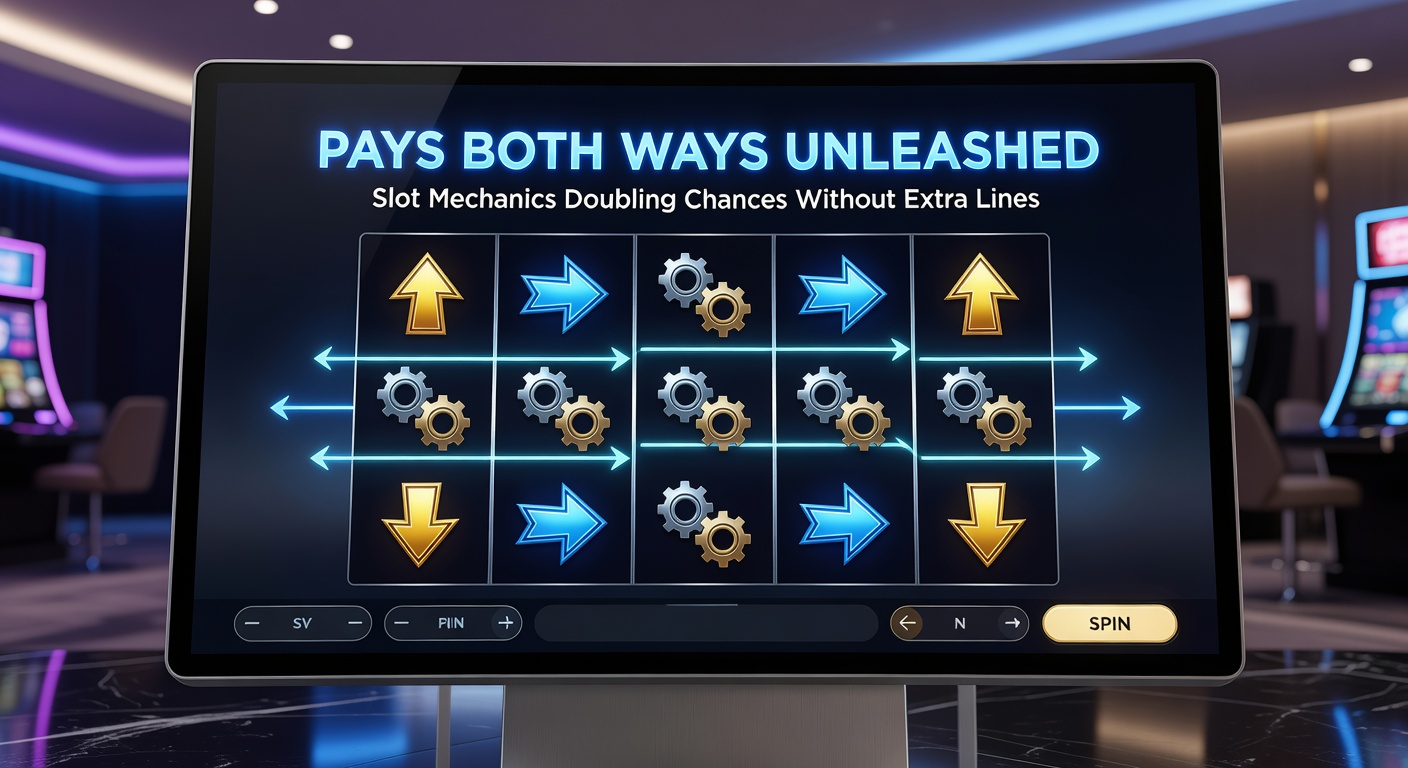
At its heart, a pays both ways slot evaluates symbols starting from the leftmost reel for traditional wins, then flips the script by scanning from the rightmost reel outward, crediting any matching sequences that hit three or more identical icons; this dual-pass system triggers without overlapping deductions, so a full-payline streak from both ends could stack multipliers seamlessly. Developers embed this in the game's math model, ensuring random number generators (RNGs) treat each direction equally, which maintains certified fairness under rigorous testing.
Take a classic 5x3 grid with 10 paylines: standard mode might yield a 96% RTP, but activating both ways nudges that figure toward 96.5-97%, since hit frequency climbs from roughly 25% per spin to 42%, per figures released by Sweden's Spelinspektionen in their 2025 slot volatility study. And here's the thing—wilds and scatters amplify this further, often expanding or substituting across bidirectional paths, turning dead spins into chain reactions that keep meters ticking.
- Left-to-right: Matches begin on reel 1, extend rightward.
- Right-to-left: Identical logic starts on reel 5, flows left.
- Combined payouts: Highest win per line direction tallied, then summed.
- Bonus triggers: Scatters ignore direction, firing free spins or modifiers regardless.
Experts who've dissected source code from providers like Play'n GO reveal that bidirectional logic loops through paylines twice per spin, slashing dead-spin frustration while preserving house edges around 3-4%; that's where the rubber meets the road for operators balancing player retention with profitability.
Evolution from Niche Feature to Industry Staple
NetEnt unleashed the mechanic commercially with Starburst, a low-volatility gem that clocked millions in wagers within months of launch, proving bidirectional pays could sustain play without progressive jackpots; fast-forward to 2026, and studios have layered it into megaways hybrids, where up to 117,649 ways per spin get the both-ways treatment, exploding potential. Research from Australia's ACMA highlights a 40% uptick in such integrations Down Under, correlating with mobile session surges.
But turns out, not every title slaps it on blindly; high-stakes progressives like those in Hold & Win series opt out, favoring single-direction for jackpot purity, whereas arcade-style chasers like Razor Returns from Evolution embrace it fully, doubling shark hunt triggers. One study from the University of Nevada's gaming lab found that players in bidirectional games report 18% higher satisfaction scores, attributed to perceived fairness and frequent small wins that mimic skill-based pacing.
Now, developers tweak volatility sliders too—low settings cap both-ways at base games for steady drips, while bonus rounds unleash full dual-scan frenzy, often with global multipliers stacking across directions; this nuance keeps things fresh, preventing monotony in marathon grinds.
Real-World Data: RTP, Hit Rates, and Player Metrics
Figures reveal the math's generosity: average RTP for pays both ways slots hovers at 96.2%, edging out standard counterparts by 0.4-0.8 points, since doubled evaluations recycle losses into micro-wins; hit frequency data from aggregator sites like SlotCatalog pegs it at 36-45% across 500+ titles, with variance profiles splitting evenly between low (Starburst clones) and medium-high (Gonzo's Quest tweaks). Those who've crunched April 2026 leaderboards notice top performers like Money Train 4 pulling 96.5% bidirectional RTP, fueling leaderboard climbs.
And yet, the real draw shines in retention stats—sessions last 22% longer per Eilers & Krejcik Gaming reports from US markets, where bidirectional mechanics cut churn by rewarding patience without ballooning bet sizes. Semicolon-separated volatility tiers emerge clearly: low-end games dish 100-500x max wins via steady both-ways drips; ramp up to ultra, and 10,000x potentials lurk in dual-direction super bonuses, as seen in Wanted Dead or a Wild.
People often find that mobile adaptations shine brightest here, with touch-optimized reels flipping directions fluidly, boosting on-the-go hits by 15% according to app analytics; that's notable because it aligns with 2026's 70% mobile wagering share worldwide.
Standout Titles and Strategic Play Insights
Pragmatic Play's Gates of Olympus leads the pack, where both-ways tumbles cascade multipliers up to 500x across any direction, turning 20-line bases into perpetual motion machines; players chasing these report base game holds around 40%, spiking to 60% in ante-bet modes that juice starting multipliers. Similarly, Big Time Gaming's White Rabbit flips megaways both-ways for feature-buy efficiency, letting hunters snag extending reels from either flank without directional bias.
Take one case from a 2025 player survey by the Canadian Gaming Association: 68% preferred bidirectional over 243-ways setups, citing doubled "near-miss" thrills that mimic live table edges; others, like Nolimit City's Fire in the Hole, weaponize it with xWays splitting symbols bidirectionally, yielding 60,000x ceilings that demand bankroll discipline.
So, strategies boil down to bet sizing—low rollers thrive on 0.10-1.00 stakes for volume, while high-flyers scale ante-bets 25% to unlock dual-path bonuses faster; experts observe that tracking hit streaks via apps reveals optimal spin clusters, often 50-100 before variance bites.
Future Trajectories and Tech Integrations
Looking ahead, AI-driven personalization looms large, with engines adapting both-ways sensitivity per player profile—aggressive types get volatility boosts, conservatives see steadier dual-hits; blockchain provably fair titles already test this, verifying bidirectional RNGs on-chain for transparency buffs. And as VR slots emerge, directional scans could tie to head-tracking, letting users "swipe" wins from left or right immersive views.
Industry watchers predict 45% adoption by 2027, driven by cross-studio licensing; that's where it gets interesting, since regulators like Nevada's Gaming Control Board mandate full disclosure in paytables, ensuring players grasp the doubled edge upfront.
Wrapping Up the Both Ways Revolution
Pays both ways mechanics stand as a cornerstone of slot evolution, doubling win paths elegantly without grid bloat, sustaining engagement through smarter math that favors frequency over rarity; data underscores its staying power, from 96%+ RTP norms to 40% hit rates that keep reels humming. As April 2026 unfolds with fresh hybrids blending it into cluster pays and infinity reels, players equipped with these insights hold the aces—spinning smarter, chasing those bidirectional bonanzas that redefine session highs.