Payment Verification Dynamics in Live Dealer Mobile Table Access
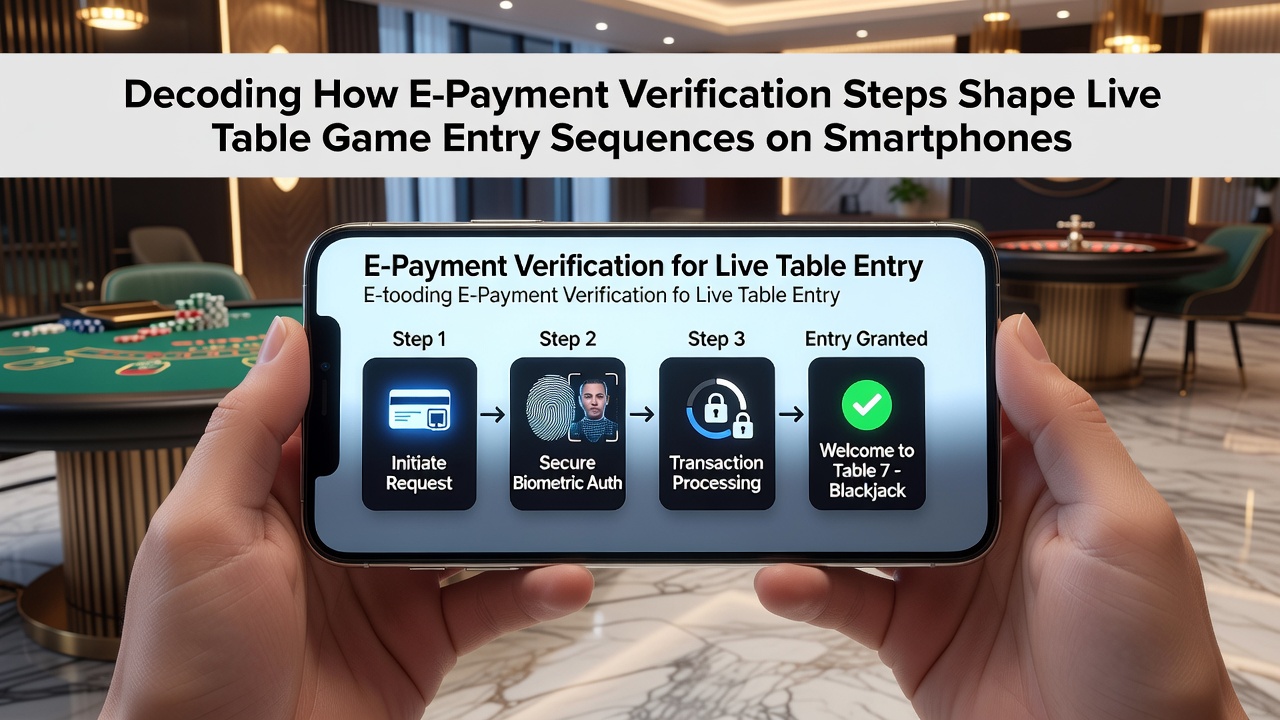
Smartphone users encounter multiple verification layers when funding accounts before joining live dealer tables, and these steps directly alter the sequence from deposit confirmation to table entry. Research from the Nevada Gaming Control Board indicates that platforms integrate identity checks with transaction approvals, creating a streamlined yet sequential process that unfolds across app interfaces and browser sessions alike.
Core Elements of E-Payment Verification
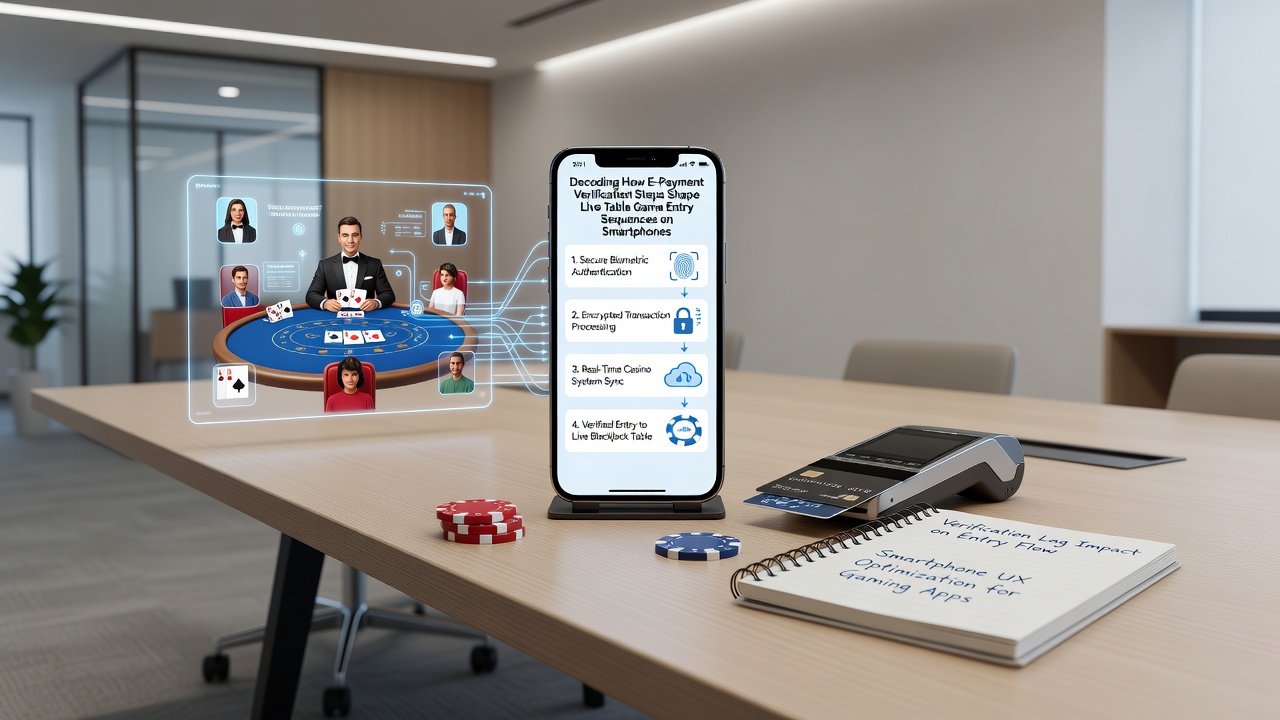
Verification begins with account authentication, which includes 3D Secure protocols and biometric prompts on mobile devices, while subsequent stages handle transaction authorization through encrypted gateways. Data from the Canadian Centre for Gaming Research shows that these layers reduce unauthorized entries yet extend the time between funding and live game participation by several seconds to minutes depending on network conditions and device type. Observers note that fingerprint or facial recognition often replaces manual password entry on modern smartphones, accelerating this phase without skipping regulatory requirements.
Once initial checks clear, platforms route users toward game lobbies where live table availability appears alongside balance updates, but additional compliance scans may trigger if transaction patterns flag for review. This creates branching paths rather than linear flows, especially on devices running iOS or Android where operating system security features interact with casino apps.
Sequence Alterations on Smartphones
The entry sequence typically follows deposit success with an immediate redirect to the live dealer section, although verification holds can insert interim screens displaying status updates. Studies conducted at the University of Las Vegas gaming laboratory reveal that mobile sessions experience more interruptions from push notifications during verification compared to desktop flows, because smartphone operating systems prioritize real-time alerts. Players move from wallet selection to confirmation, then face a brief pause while the system cross-references details against stored profiles before unlocking table seats.
What's interesting is how location-based services on phones add another dimension, since some regions require geo-verification alongside payment checks, and this compounds the steps when users attempt entry from new networks. European Gaming and Betting Association reports highlight that integrated APIs allow simultaneous processing of payment and identity data, shortening overall sequences while maintaining security standards across multiple jurisdictions.
Technical Interactions and Platform Variations
App-based environments handle verification through embedded SDKs that communicate directly with banking partners, whereas browser sessions rely on web redirects that may introduce extra confirmation pages. Those who've examined mobile casino infrastructure know that cached credentials sometimes bypass repeat checks on return visits, yet fresh deposits still demand full authorization cycles. July 2026 updates to certain cross-border payment standards are expected to standardize tokenization methods further, potentially reducing friction points in these sequences according to industry technical briefings.
Live table games impose additional timing constraints because dealer tables operate in real time, so any verification delay shifts users into waiting queues or alternative game modes until clearance arrives. Researchers discovered that high-volume transaction periods coincide with longer verification windows on smartphones due to server load balancing, which affects entry order for participants attempting simultaneous logins.
Regulatory Influences Across Regions
Different regulatory frameworks shape how verification integrates into mobile flows, with Australian authorities emphasizing rapid yet thorough checks that preserve game continuity. This contrasts with certain EU member state approaches that layer consumer protection prompts into the sequence, requiring explicit acknowledgments before table access opens. Figures from the Australian Communications and Media Authority demonstrate measurable reductions in disputed transactions when these steps align closely with payment processing timelines.
Platform developers respond by designing conditional pathways that adapt based on user history, allowing quicker re-entry for verified accounts while routing new or flagged profiles through extended sequences. The reality is that smartphone hardware capabilities, such as secure enclave storage, enable faster biometric handling and contribute to smoother transitions between verification and live table participation.
Conclusion
E-payment verification steps continue to define the precise order of actions leading to live table game entry on smartphones, with each layer building upon the previous one to ensure compliance and security. Technical adaptations across apps and browsers, combined with regional regulatory variations, produce diverse yet predictable sequences that evolve alongside device advancements and payment protocol updates. Data from multiple international sources confirms these patterns persist through 2026 without major structural shifts in core processes.