Mobile Access to Progressive Slot Networks Transformed by Digital Wallet Integration
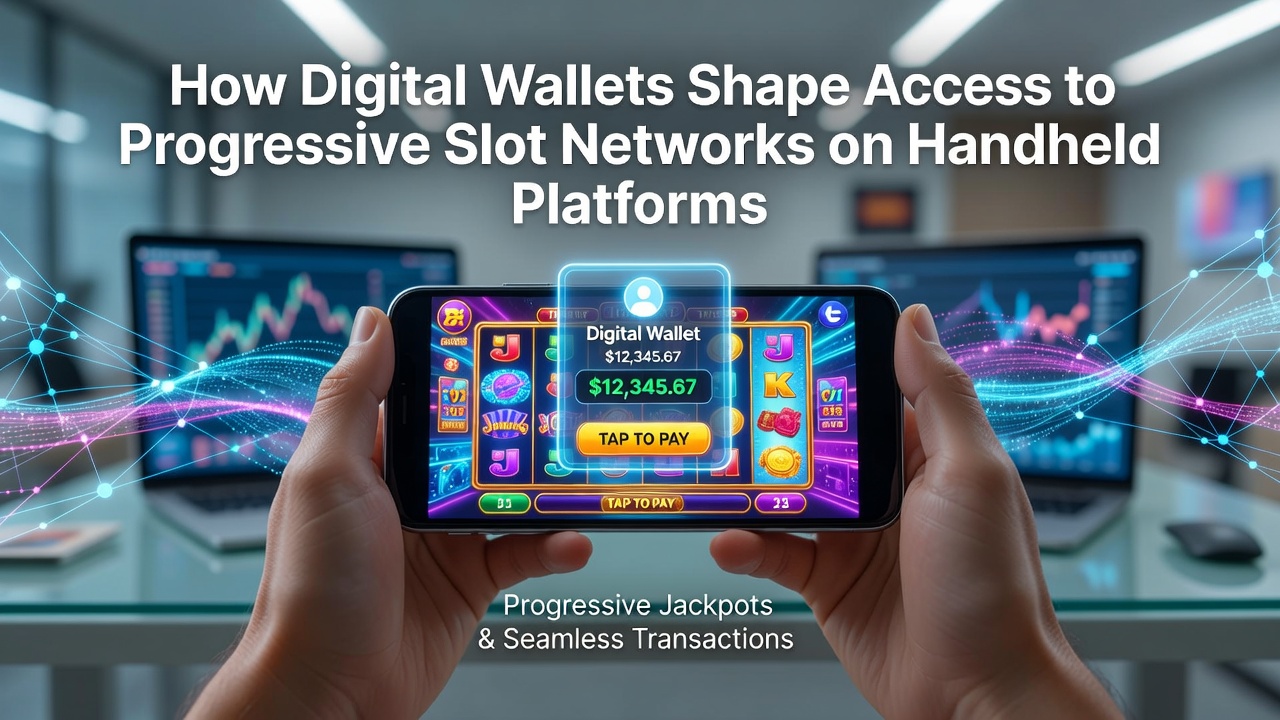
Digital wallets have altered how players reach linked progressive jackpot systems on handheld devices, and data from multiple jurisdictions shows steady growth in mobile participation rates tied directly to these payment tools. According to reports from the Ontario Lottery and Gaming Corporation, mobile progressive slots accounted for over 40 percent of remote gaming activity in the first half of 2026, with e-wallet transactions forming the majority of deposits that feed into shared prize pools across networks.
Network Architecture Meets Handheld Convenience
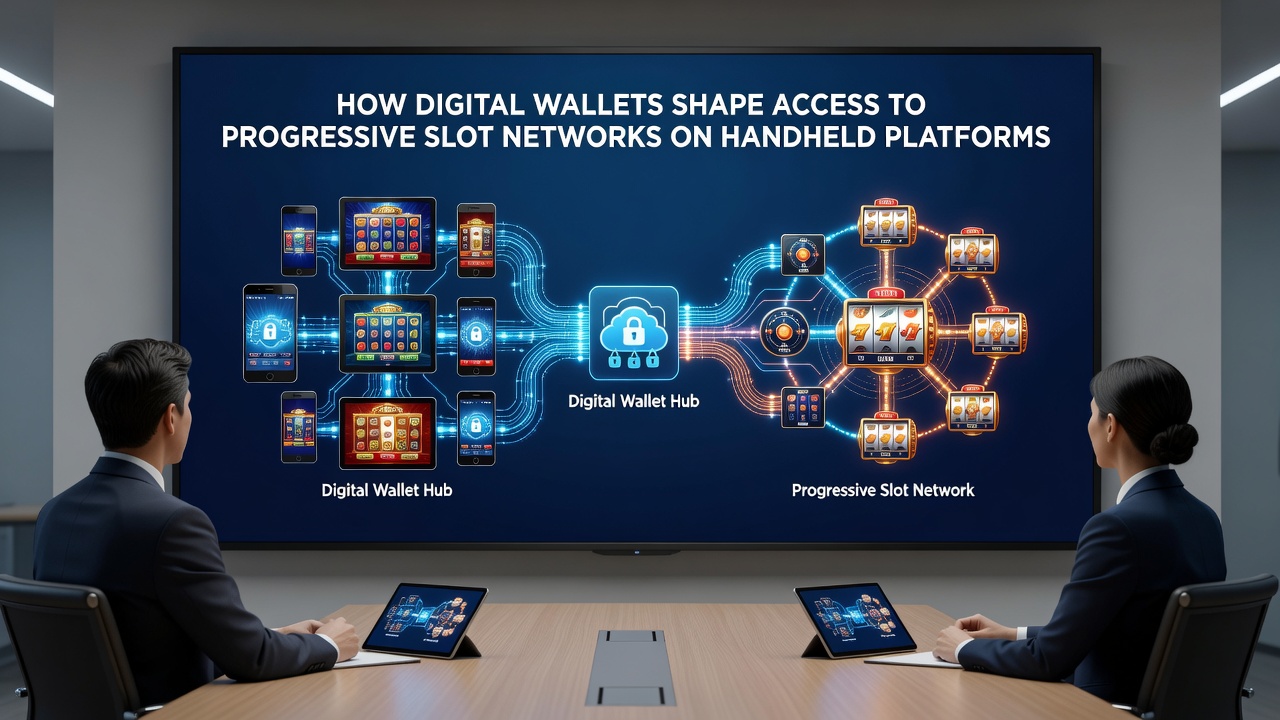
Progressive slot networks operate by pooling contributions from thousands of machines or virtual terminals into a single jackpot that climbs until triggered, and handheld platforms have extended this model beyond physical casino floors. Players on smartphones and tablets now connect to these shared systems through apps that sync in real time with central servers, while digital wallets handle the instant transfer of funds that keep the contribution stream flowing without traditional banking delays. Research from the University of Nevada Reno Gaming Innovation Lab indicates that sessions initiated via mobile wallets last 18 percent longer on average because transaction friction drops sharply compared with card-based methods.
Wallet providers maintain direct integrations with gaming operators, which means a deposit made on a phone reaches the progressive meter within seconds rather than minutes. This speed matters because jackpot contributions must register continuously across every connected terminal to maintain fairness and accuracy in the prize calculation. Those who study mobile gaming patterns note that regions with high e-wallet adoption, such as parts of Australia and Canada, record faster growth in mobile progressive play than areas still reliant on slower payment rails.
Security Protocols and Cross-Platform Verification
Digital wallets incorporate layered authentication that aligns with regulatory requirements for remote gaming, including biometric checks and tokenization that reduce exposure of financial details during each session. Handheld devices already carry fingerprint or facial recognition hardware, and wallet applications leverage these features to confirm identity before funds move into a progressive slot account. July 2026 saw several operators in North America update their mobile platforms to require wallet-based two-factor confirmation for any jackpot contribution above a set threshold, a change that coincided with rising player volumes on linked networks.
Because progressive systems track every micro-transaction across distributed terminals, the audit trail created by wallet records helps regulators verify that contributions match reported activity. Industry analyses from the Interactive and Electronic Gaming Association of Australia show that operators using wallet gateways experience fewer reconciliation discrepancies than those depending solely on card processors, largely because wallet ledgers update in near real time and carry encrypted timestamps that sync cleanly with backend servers.
Regional Adoption Patterns and Infrastructure Demands
Adoption rates vary by region because infrastructure, regulatory frameworks, and consumer preferences differ, yet the pattern remains consistent: wherever digital wallets gain regulatory approval for gaming, mobile access to progressive networks expands. Canadian provinces that opened remote markets in recent years report wallet-driven deposits exceeding 60 percent of total mobile volume, while European operators note similar shifts in markets that permit these instruments. Handheld platforms benefit because wallets reduce the data load required for each transaction, freeing bandwidth for the graphics and animations that keep progressive slot sessions engaging on smaller screens.
Network operators must still maintain robust server capacity to handle simultaneous connections from thousands of mobile devices, each feeding small increments into the shared jackpot. Data centers supporting these systems have added capacity in 2026 to accommodate the spike in concurrent users, particularly during peak evening hours when mobile traffic peaks. Observers tracking device telemetry find that tablets and larger smartphones show higher average bet sizes on progressive titles than compact phones, suggesting screen size still influences how players engage with linked jackpot mechanics.
Future Infrastructure and Wallet Evolution
Wallet technology continues to evolve with features such as instant settlement and programmable spending limits that operators can tie to responsible gaming tools. These additions allow progressive networks to remain accessible on handheld devices while giving players granular control over how much they contribute to the shared prize pool during any single session. As 5G coverage widens, the latency between a wallet confirmation and the appearance of updated jackpot amounts on a phone screen continues to shrink, removing one more barrier that once separated mobile players from land-based participants in the same network.
Equipment manufacturers have begun embedding wallet APIs directly into gaming apps, which further streamlines the path from deposit to active play. This integration means fewer redirects and fewer opportunities for connection drops that could interrupt a progressive contribution sequence. Those monitoring the sector expect continued refinement of these connections through the remainder of 2026 and beyond, driven by both player demand and the technical requirements of maintaining synchronized jackpot meters across millions of handheld endpoints.
Conclusion
Digital wallets have become the primary conduit linking handheld devices to progressive slot networks, and available figures show this connection strengthening each quarter. The combination of instant settlement, enhanced security layers, and reduced transaction friction supports broader participation while meeting the technical demands of real-time jackpot tracking. As mobile infrastructure improves and wallet capabilities expand, the architecture that joins players on phones and tablets to shared progressive systems will likely grow more seamless, sustaining the expansion of these networks across additional regions and device types.