Mapping Loyalty Tier Progressions Across Mobile Casino Player Journeys
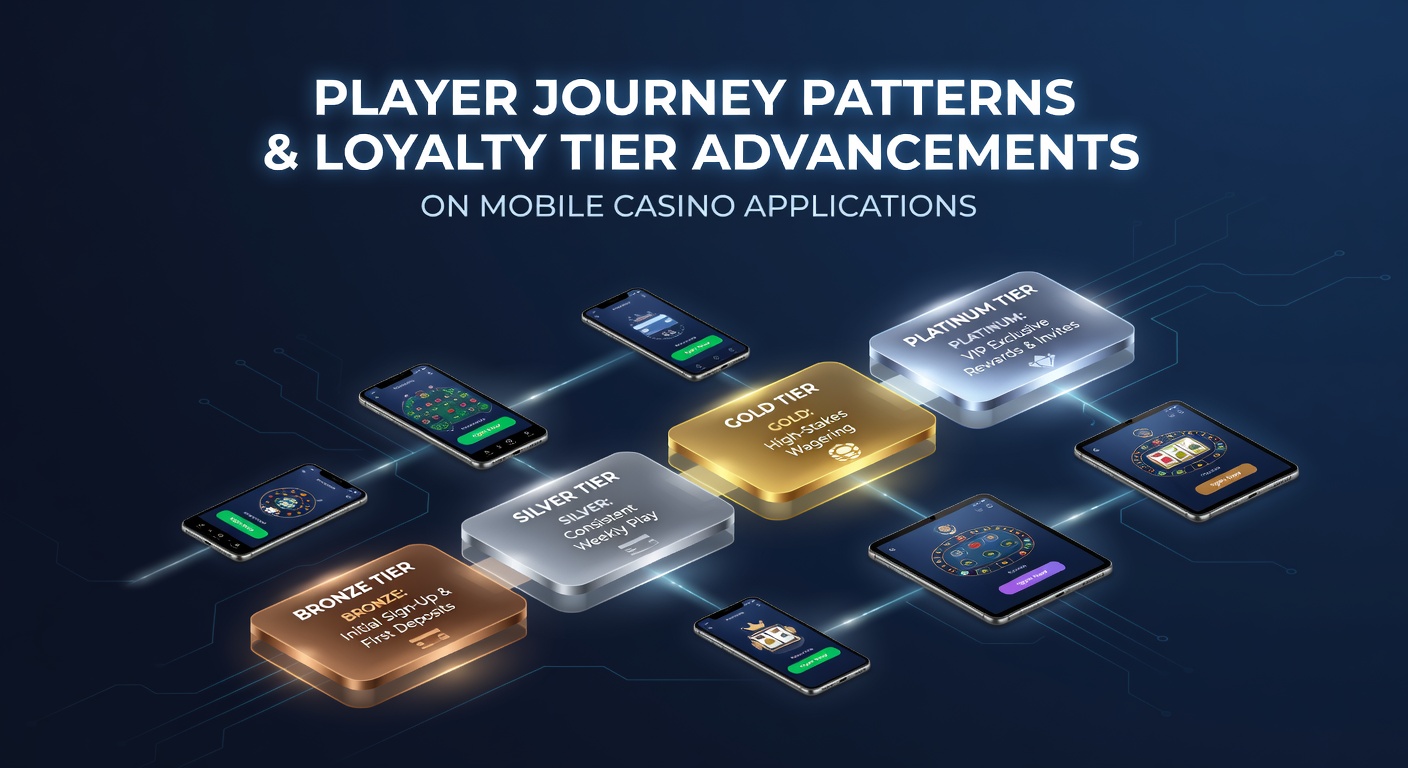
Player journeys in mobile casino applications often follow structured pathways marked by loyalty tier advancements, and these systems record detailed movement from entry-level status through higher rewards brackets. Mobile platforms collect data on deposit frequency, game selection, session length, and wager volumes to determine tier eligibility, which creates traceable patterns in user behavior over time. Researchers have documented how these metrics combine to form progression maps that operators use for retention strategies.
Core Mechanics of Tier Systems
Mobile casino applications typically structure loyalty programs around point accumulation systems where players earn credits based on real-money activity, and advancement occurs when thresholds are met within defined periods. Entry tiers grant basic perks such as standard cashback rates, whereas mid-level tiers unlock faster withdrawals and exclusive promotions. Data shows that progression accelerates when players engage with multiple game categories rather than focusing on single titles, since diversified activity contributes to broader point calculations.
Applications integrate real-time dashboards that display current tier status alongside remaining requirements for the next level, and this visibility encourages continued participation according to industry analyses. Points often reset or partially carry over at the start of new calendar cycles, which influences the timing of peak activity across user bases.
Observable Patterns in Player Movement
Studies of mobile casino data reveal recurring sequences where new users begin at base tiers and advance rapidly during initial months due to welcome incentives, followed by stabilization or occasional regression when engagement dips. Observers note that weekday sessions tend to build steady point totals, whereas weekend spikes correlate with faster tier jumps among certain demographics. Those who study retention metrics find that players reaching mid-tiers demonstrate longer overall platform tenure compared to those remaining at entry levels.
Geographic variations appear in progression rates, with reports from the Malta Gaming Authority indicating differences in advancement speeds tied to regional payment preferences and game availability. Applications adjust tier thresholds periodically to align with seasonal trends, which affects how quickly users cross into premium brackets.
Data Tracking and Analytical Tools
Mobile casino operators employ backend analytics that log every interaction point, from login timestamps to bonus redemption rates, creating comprehensive journey profiles for each account. These systems identify clusters of similar progression paths, such as rapid ascents among high-frequency slot users versus gradual climbs by table game participants. Evidence from platform audits shows that predictive models based on early activity can forecast tier attainment within 90 days of registration with measurable accuracy.
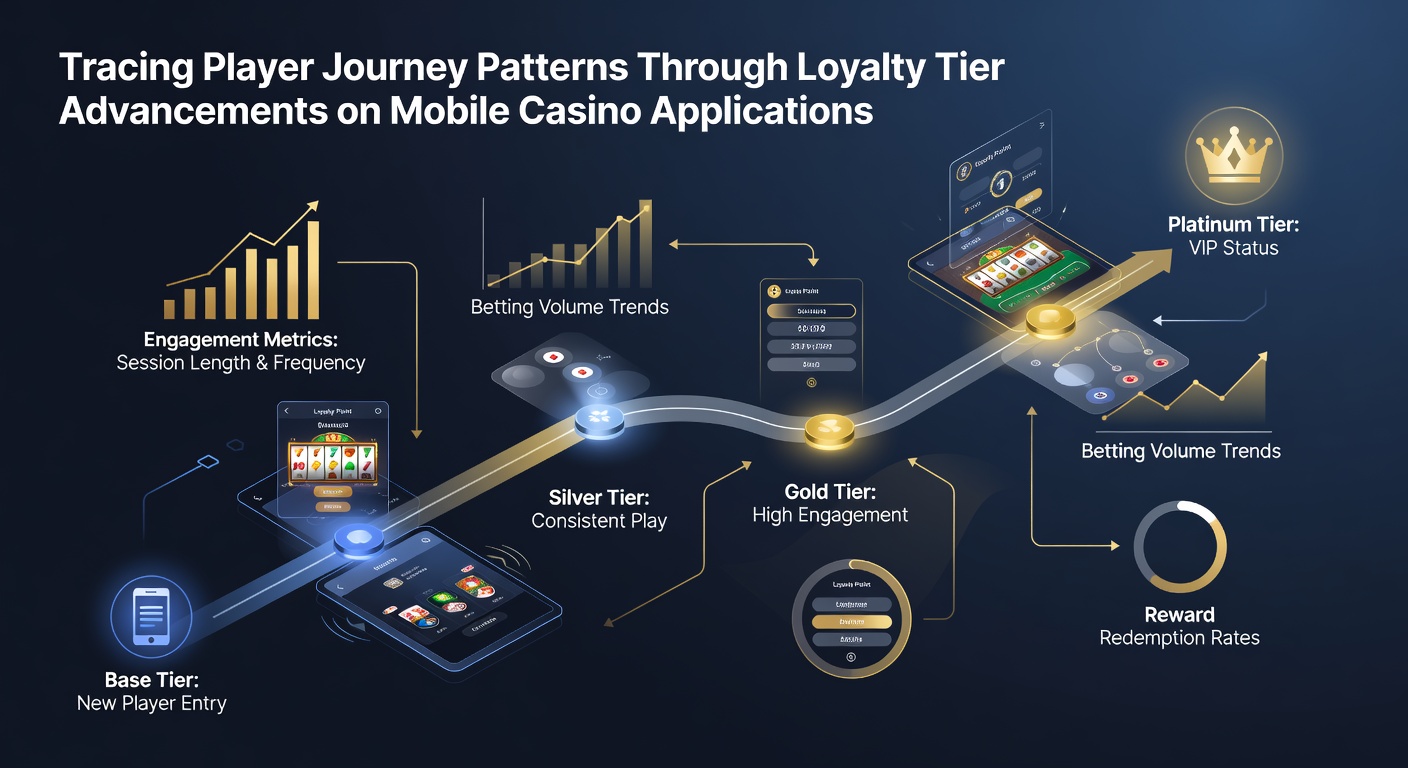
Integration with third-party research tools allows operators to cross-reference internal data against broader market trends, and findings from the American Gaming Association highlight how mobile-specific loyalty features differ from desktop counterparts in engagement velocity. Updates rolled out in May 2026 refined these tracking capabilities by incorporating machine learning elements that refine point allocation based on individual play histories.
Retention Effects and Platform Adjustments
Advancement through loyalty tiers correlates with measurable shifts in player value, as higher tiers receive tailored communications and offers that sustain activity levels. Records indicate that tier-locked rewards, such as personalized free spins or deposit multipliers, generate repeat sessions that feed back into further progression. Applications monitor churn rates at each tier boundary and implement targeted interventions when users approach expiration of current status.
Operators have introduced hybrid tracking that combines loyalty points with achievement badges for specific milestones, and this layered approach creates additional journey markers beyond standard tier movement. Reports compiled through 2026 demonstrate consistent patterns where players who achieve three or more tier upgrades within a year exhibit elevated lifetime engagement metrics across multiple applications.
Conclusion
Loyalty tier systems in mobile casino applications function as detailed mapping tools for player behavior, recording advancement through quantifiable metrics and enabling operators to observe recurring journey structures. Continued refinement of these frameworks, including updates observed through May 2026, supports ongoing analysis of how users progress and interact with platform features over extended periods.