E-Wallet Transaction Speeds Shape Sustained Participation in Live Blackjack Settings
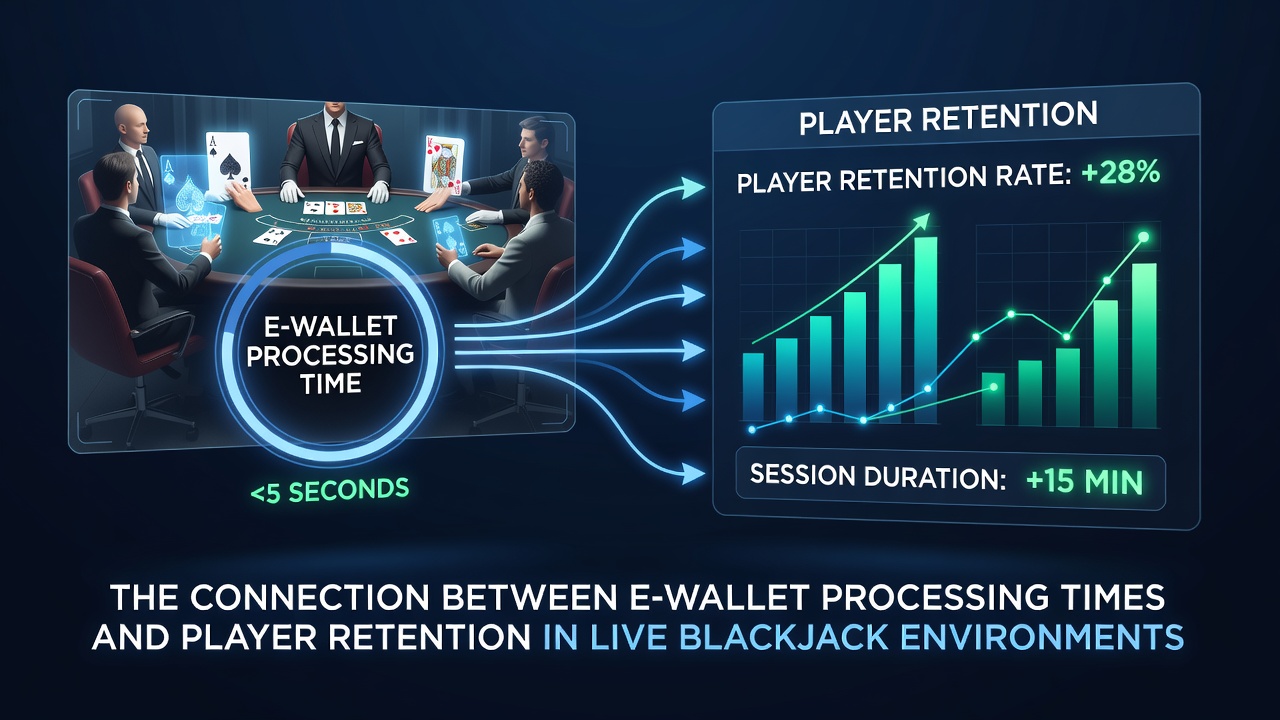
Live blackjack environments rely on seamless financial flows to maintain continuous player engagement, and e-wallet processing times directly influence how long participants remain active at virtual tables. Research from industry analysts shows that delays in deposits or withdrawals often interrupt game flow, prompting players to switch platforms or reduce session lengths. Data collected across multiple operators indicates that average deposit completion under 30 seconds correlates with higher repeat login rates compared to systems requiring several minutes for fund verification.
Operators have observed patterns where instant funding options allow players to respond quickly to table opportunities, such as increasing bets during favorable dealer streaks. In contrast, slower verification processes create friction that breaks concentration and leads to session abandonment. Studies conducted by the Nevada Gaming Control Board highlight that platforms integrating rapid e-wallet solutions record elevated average session durations, particularly in live dealer formats where timing affects strategic decisions.
Transaction Flow and Player Behavior Patterns
Live blackjack sessions demand immediate access to funds because table minimums and side bet options fluctuate in real time. E-wallets such as those supporting instant transfers reduce the gap between decision and action, which keeps participants immersed in the game rhythm. Figures from European gaming associations reveal that withdrawal processing under two hours encourages players to reinvest winnings rather than cash out entirely, extending overall account activity across multiple weeks.
When processing extends beyond standard thresholds, players frequently report frustration that translates into lower return visits. One analysis of transaction logs demonstrated that accounts experiencing repeated delays showed a measurable drop in weekly active days, whereas streamlined e-wallet users maintained consistent engagement. This connection becomes especially pronounced during peak evening hours when live tables fill quickly and prompt funding determines whether a player joins or exits.
Regional Trends Emerging in Mid-2026
By June 2026 regulatory updates in several jurisdictions began emphasizing consumer protection measures around payment speed transparency. Canadian provincial regulators introduced guidelines requiring operators to disclose average e-wallet processing intervals, resulting in clearer player expectations and fewer complaints related to unexpected holds. These changes coincided with platform upgrades that prioritized integration with established digital wallet providers, leading to documented improvements in retention metrics for live blackjack rooms.
Operators in Australia and parts of Asia adopted similar disclosure standards around the same period, creating a broader industry shift toward faster verification protocols. Data compiled by the Australian Communications and Media Authority indicates that sites advertising sub-minute deposit times experienced stronger month-over-month player return rates in live table categories. The trend suggests that transparency combined with actual speed improvements reinforces trust and encourages prolonged participation.
Technical Factors Affecting Speed and Retention
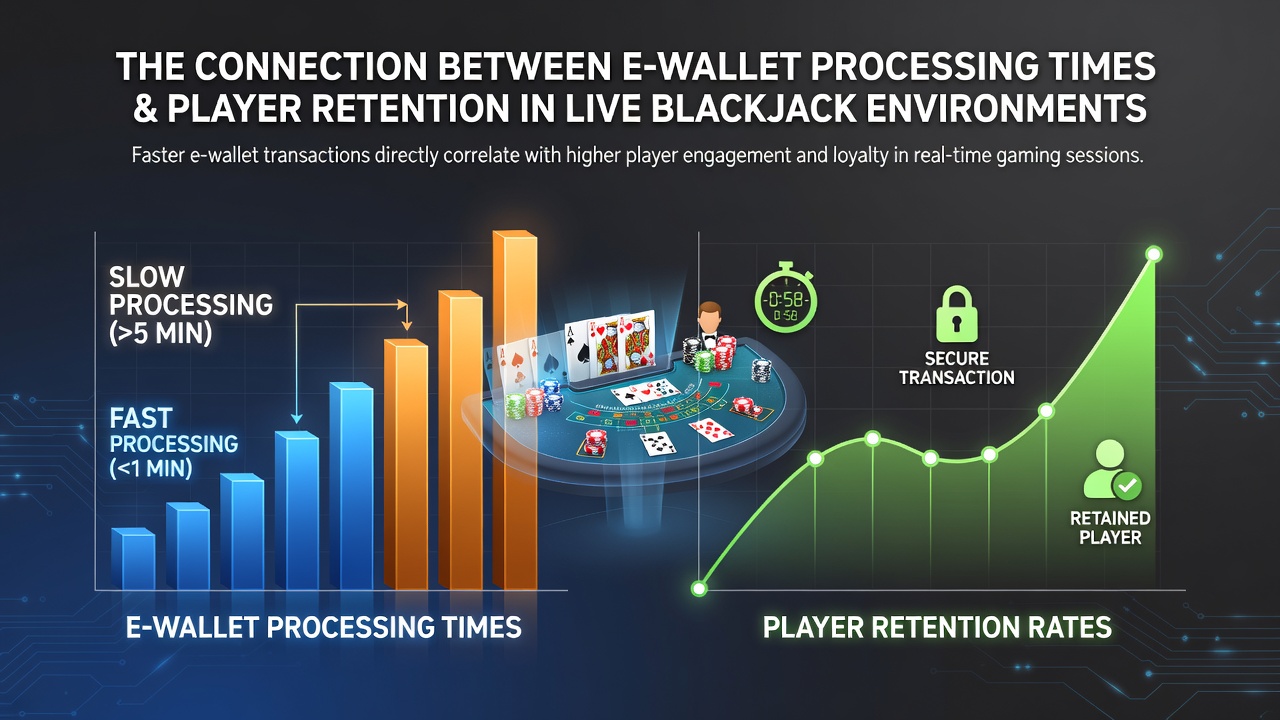
Backend infrastructure plays a central role in determining how quickly funds move between player accounts and game interfaces. Systems employing automated verification layers complete most e-wallet transactions without manual review, which cuts average times dramatically. In live blackjack environments this automation prevents interruptions during critical betting rounds and supports uninterrupted play sequences that contribute to higher satisfaction scores.
Security protocols remain essential yet must balance with speed requirements. Multi-factor authentication integrated directly into wallet applications allows rapid confirmation without adding significant delays. Research from academic institutions studying digital payment ecosystems shows that optimized security frameworks maintain compliance standards while preserving the fluid experience players expect in real-time table games. Platforms that achieve this balance report stronger loyalty indicators, measured through frequency of live blackjack participation over extended periods.
Comparative Performance Across Payment Methods
Traditional bank transfers often require one to three business days for clearance, creating a stark contrast with e-wallet alternatives that settle in seconds or minutes. Live blackjack players who rely on immediate access tend to favor the latter because it aligns with spontaneous decision-making during sessions. Comparative data sets from North American markets illustrate that operators offering multiple e-wallet choices alongside traditional methods see diversified player bases with varying retention profiles based on preferred speed.
Those who select instant options demonstrate higher lifetime value through repeated deposits tied directly to ongoing table activity. Meanwhile slower methods correlate with sporadic engagement, where players wait for funds before returning. Observers note that this behavioral split influences how casinos allocate resources toward payment partnerships and promotional incentives tied to rapid transaction features.
Conclusion
The relationship between e-wallet processing times and player retention in live blackjack environments rests on measurable operational data rather than isolated incidents. Faster transactions support continuous play, reduce friction points, and align with player expectations shaped by broader digital payment norms. As regulatory frameworks evolve through 2026 and beyond, operators that prioritize efficient yet secure processing stand to maintain stronger engagement levels across their live dealer offerings. Continued monitoring of transaction metrics alongside retention statistics provides the clearest picture of how these elements interact in practice.