Britain's Shift Toward Integrated Payment Solutions in Online Gaming Platforms: A Closer Look at User Adoption Trends
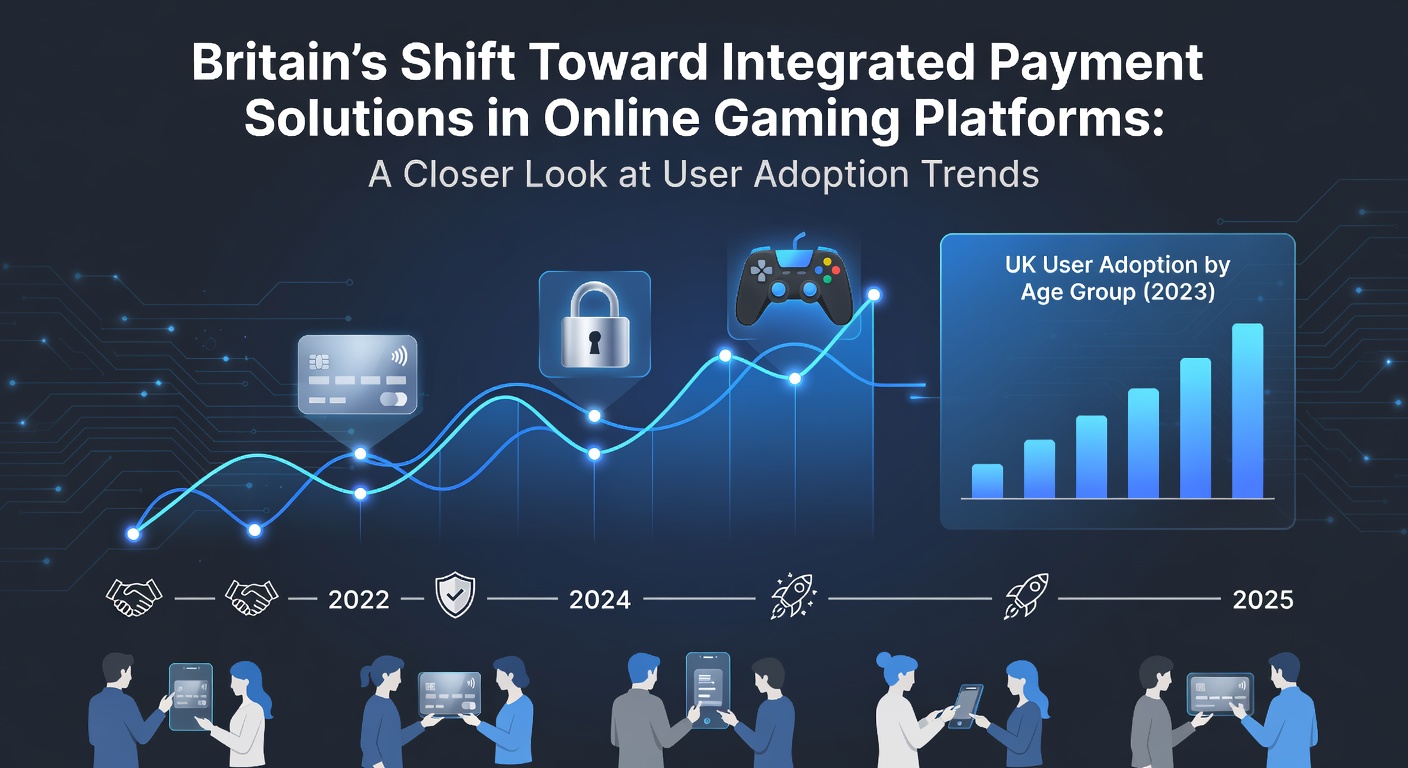
Data from mid-2026 shows British users increasingly favor platforms that embed multiple payment options directly into gaming interfaces rather than relying on external redirects or separate apps, and this pattern has accelerated since early 2025 when several major operators expanded API connections with banks and digital wallets. Observers note that seamless flows reduce friction during deposits and withdrawals while maintaining compliance with existing financial regulations across the region.
Current Landscape of Payment Integration
Platforms now incorporate instant bank transfers, digital wallets, and even cryptocurrency options through unified dashboards, which means players complete transactions without leaving the gaming environment. Figures released in June 2026 by the Interactive Gaming Council indicate that adoption rates for these integrated systems reached 68 percent among active British accounts, up from 47 percent the previous year, while separate studies from Australian research institutions highlight similar accelerations in comparable markets where regulatory frameworks allow such bundling.
Key Drivers Behind Adoption
Security enhancements play a central role because integrated solutions often employ tokenization and real-time verification that limit exposure of sensitive banking details, and convenience adds another layer since users avoid switching between apps or browsers during sessions. Research indicates that younger demographics aged 25 to 34 drive much of this shift, yet older cohorts show steady uptake once platforms offer simplified onboarding tutorials.
One notable example involves operators partnering with open banking providers to enable direct account-to-account transfers that settle in seconds, which eliminates traditional delays associated with card processing and reduces chargeback incidents according to industry reports. What's interesting is how these changes align with broader European trends where the European Gaming and Betting Association tracks rising demand for frictionless experiences across member states.
User Adoption Patterns and Data Insights
Statistics compiled through June 2026 reveal that integrated wallet features appear in over 80 percent of newly launched British-facing platforms, whereas established sites retrofitted similar capabilities at a slightly slower pace yet still achieved majority user migration within six months of rollout. Those who've examined transaction logs find that average session lengths increase when payment steps require fewer clicks, and repeat deposit frequency rises correspondingly.
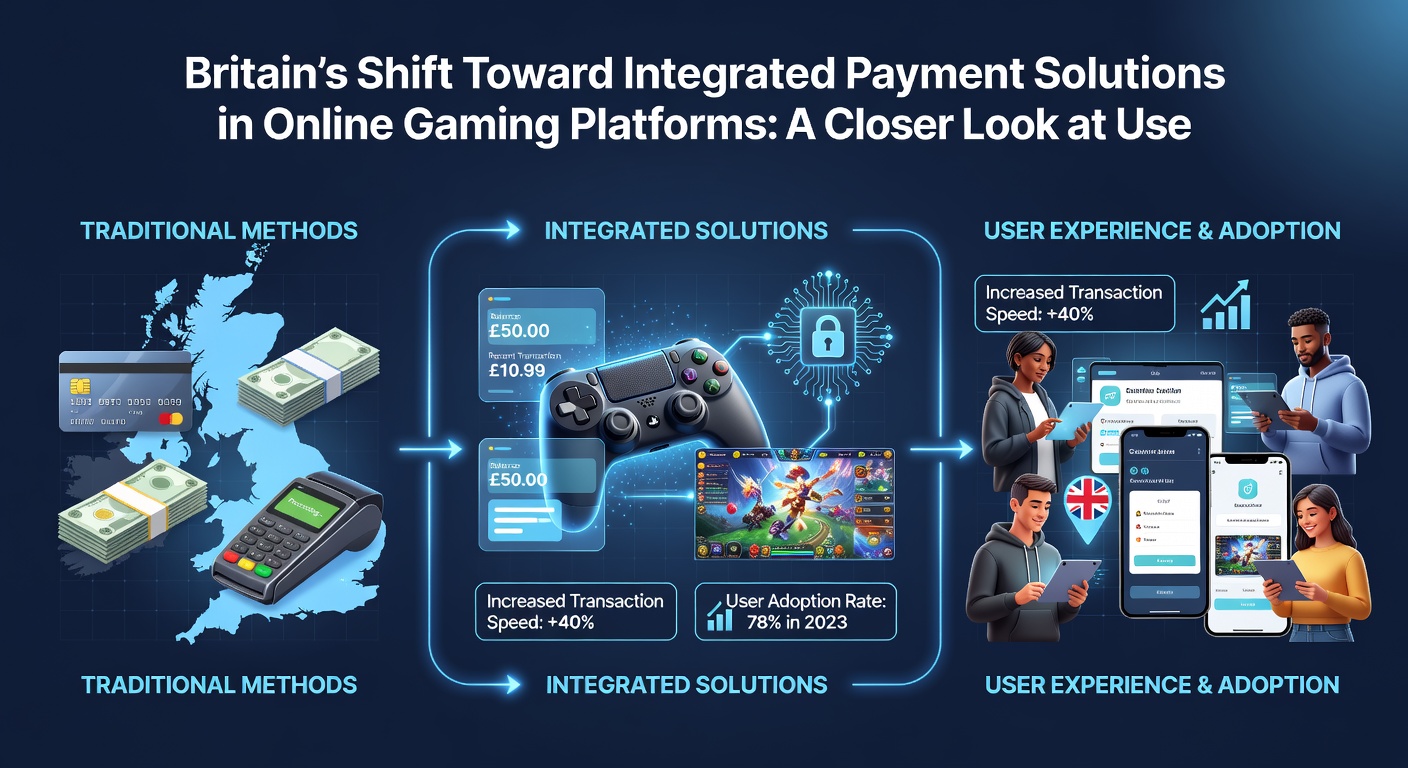
Regional variations emerge as well, with urban users in England adopting faster than counterparts in Scotland and Wales, though the gap narrowed after targeted awareness campaigns from platform providers. Academic papers from Canadian universities examining cross-border gaming behaviors suggest that trust in the underlying technology influences these geographic differences more than age alone.
Challenges and Regulatory Context
Even with strong momentum, integration faces hurdles around data privacy because combining financial and gaming activity streams requires careful segmentation to satisfy multiple oversight bodies, and operators must navigate differing rules on transaction monitoring. Evidence suggests that platforms investing in modular compliance tools handle these demands more effectively, resulting in fewer interruptions for end users.
Take the case of several mid-sized operators who expanded their API ecosystems in late 2025; their user bases demonstrated quicker stabilization compared with competitors who maintained fragmented payment pathways. Such outcomes appear in aggregated industry analyses without pointing to any single cause, yet the pattern repeats across multiple datasets.
Future Trajectories
Projections based on current trajectories point toward further embedding of loyalty-linked payment features that automatically apply rewards during checkout processes, and this development could tie financial activity more closely to gameplay mechanics. Observers note that continued refinement of biometric authentication within these integrated systems may accelerate trust among hesitant segments of the market.
International comparisons from sources in the United States and Asia indicate Britain sits ahead in certain technical integrations but trails in mobile-first optimizations that some other jurisdictions prioritize, which creates opportunities for cross-pollination of approaches in coming quarters.
Conclusion
The movement toward integrated payment solutions in Britain's online gaming platforms reflects measurable shifts in user behavior tracked through 2026 data, with adoption driven by convenience and security enhancements rather than isolated preferences. Continued monitoring by regional and academic bodies will clarify how these trends evolve alongside technological and regulatory developments.