Blackjack on the Go: Mobile Interfaces and Flexible Payments Reshaping Strategies for UK Players
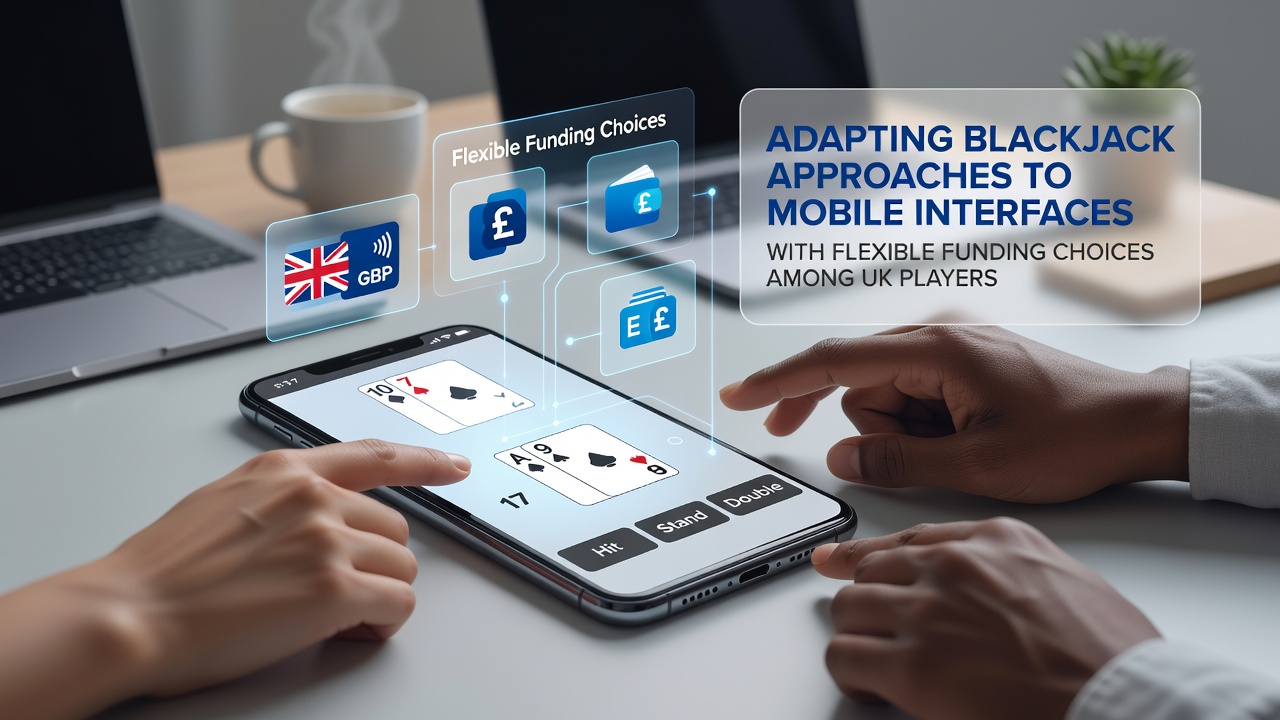
Blackjack strategies have evolved alongside device changes, with UK players increasingly accessing tables through mobile apps that support quick funding switches between accounts and cards, and researchers tracking these shifts note how touch-based decisions replace physical chip handling. Data from industry reports indicate that mobile blackjack sessions now account for substantial portions of remote play volumes, prompting operators to refine interfaces that maintain core rules while accommodating smaller displays and variable connection speeds.
Touch Controls and Decision Timing on Mobile Screens
Players adapt basic strategy charts to swipe and tap mechanics, where split and double-down buttons sit within thumb reach, and studies from the International Center for Gaming Regulation show that response times shorten on optimized apps compared to desktop versions. Observers note that auto-hold features help maintain optimal play during brief interruptions like incoming calls, while chart overlays appear temporarily without blocking the dealer animation. Those who track session data find that mobile users adjust bet sizing more frequently because funding tools sit one tap away from the table view.
Funding Flexibility Integrated into Live Sessions
Flexible payment choices allow deposits mid-hand when bankrolls dip, and figures reveal that e-wallet integrations reduce transfer delays to under ten seconds on many UK-licensed platforms. Research indicates that players who link multiple funding sources maintain longer sessions because instant top-ups prevent forced exits during favorable card counts. Payment gateways now embed directly beside the bet slider, letting users toggle between stored cards and digital wallets without leaving the game window, which data shows correlates with steadier adherence to strategy guidelines.
Strategy Adjustments for Smaller Interfaces
Card counting becomes harder on compact screens because running counts require mental tracking rather than external aids, yet apps provide optional side panels that display basic deviation suggestions without violating platform rules. Experts observe that multi-hand modes popular on mobiles encourage conservative splitting decisions to manage smaller per-hand stakes, and simulation data from university labs confirm that adjusted strategies yield similar expected values once players account for touch error rates. Interface designers cluster action buttons to limit mis-taps that could otherwise force unwanted hits or stands during rapid dealer reveals.
June 2026 brings scheduled updates to several major app frameworks that promise smoother integration between funding menus and table views, allowing seamless balance checks without pausing gameplay. Those monitoring release notes expect these changes to further reduce context switching for users who manage multiple payment methods across sessions.

Regional Data on Mobile Blackjack Adoption
Statistics compiled by the European Gaming and Betting Association highlight rising mobile participation rates across Britain, with blackjack remaining a top choice because its pace suits brief commutes and short breaks. EGBA reports document how flexible funding correlates with higher retention on smartphones versus fixed desktop setups. Academic analyses from the University of Nevada Gaming Research Center further demonstrate that players who combine touch-optimized strategy tools with instant payment options exhibit fewer deviations from basic charts during extended play periods.
Payment Security and Session Continuity
Secure tokenization lets funding choices update without re-entering details each time, and regulators in various jurisdictions require visible balance confirmations before each new wager. Observers note that this transparency supports disciplined bankroll management even when users switch between multiple wallets within a single evening. Case examples from platform analytics show that sessions interrupted by low balances resume faster when deposit flows stay embedded in the interface rather than routed through external browser windows.
Future Interface Developments
Upcoming firmware releases aim to embed real-time strategy coaching that respects device orientation changes, and testing data indicate reduced error rates when buttons resize dynamically based on screen size. Industry groups track how these refinements interact with payment flexibility to keep players engaged without encouraging excessive session lengths, and preliminary figures suggest continued growth in mobile blackjack volumes through the end of 2026.
Conclusion
Adaptations in blackjack approaches continue as mobile interfaces mature and funding options multiply, with data showing measurable impacts on how UK players execute decisions and manage bankrolls across devices. Continued monitoring by research organizations will clarify which interface elements and payment integrations produce the most stable strategic outcomes over time.